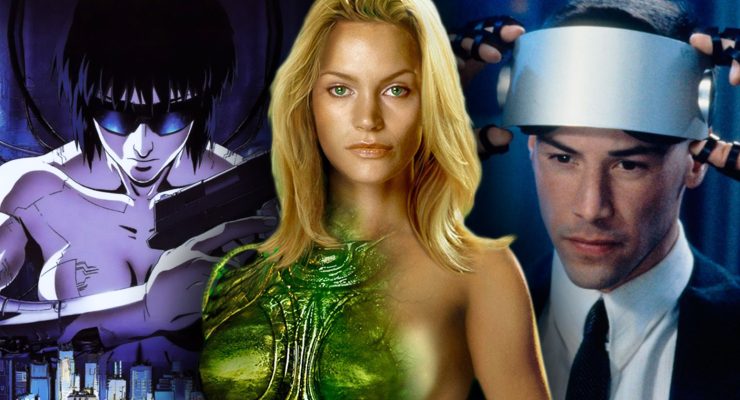
Dazzling visuals, killer soundtracks and spectacle delivered with perfect polish. Who needs depth with these style-over-substance classics?
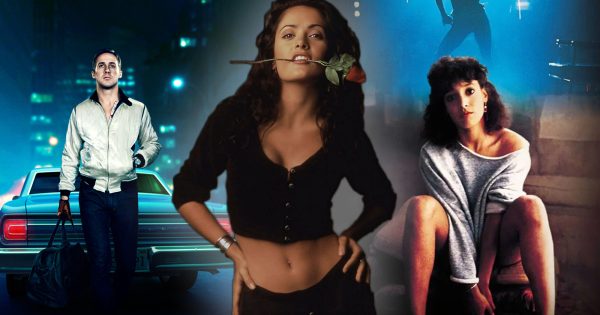
Cinema allows for plenty of choice. Whilst some of us might fancy a film that intellectually engages us, others might want some simple escapism. When it comes to simpler cinema, there are also those films that focus intensely on the aesthetics. They can rouse us with gorgeous visuals and get the pulse thumping with expertly delivered spectacle, all whilst a killer soundtrack and/or score accompanies the on-screen action.
It almost feels like films like that are rarer these days. Not so much because studios are making more nuanced cinema (they’re really not by any stretch) but because in the days of digital filmmaking and uniformal trends in cinematography and post production work (like grading and CGI) rarely, a studio opus (especially streaming originals) doesn’t look downright horrible. Furthermore, so many exceed well over two hours and feel overpacked, despite not having much emotional resonance or challenging themes to warrant it.
Consequently, of course, many films that were considered exercises in little more than style back in the day have found themselves reappraised for those artistic merits. It’s not like many just forget the plot either; they merely opted for simplicity and escapism. Here are some essential classics of style over substance….
Days of Thunder
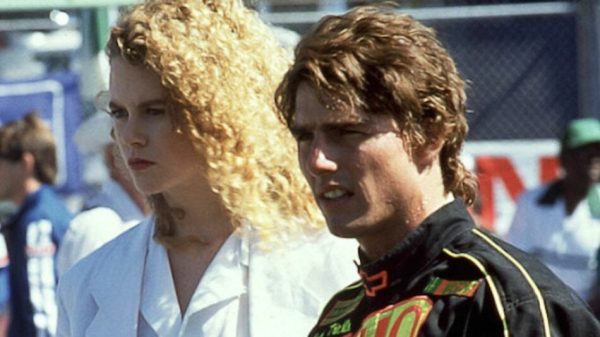
It took me entirely too long to see Days of Thunder, having grown up being told it was merely a pale imitation of Top Gun, half-heartedly rehashing that formula for the NASCAR arena. Reviews on release (and box office) were not good. Now we have F1 nominated as Best Picture, and whilst Days of Thunder isn’t as good by any means, it’s also not really miles off Brad Pitt’s expertly delivered blockbuster as far as depth. Nor is it as needlessly overlong.
Days of Thunder is a downright gorgeous-looking blockbuster which really helped cement the glossy look of style over substance merchants, Bruckheimer and Simpson. Tony Scott was a director with a flair for the visually dazzling, even in scenes where many filmmakers would decide that sexing it up with haze and shadows was probably excessive. Every frame is a painting in Days of Thunder. The racing sequences are phenomenal. Much is made of how well Top Gun: Maverick captured its aerial sequences, and F1 captured the racing, but that’s because we’ve long been starved of great practical approaches to land, sea and air vehicle stunts. Few films capture the sense of speed and danger of high-speed racing quite like Days of Thunder (F1 was one which just as ably did).
On top of that, Hans Zimmer might just deliver his most gleefully thumping score that’s locked in 80s style (and features Jeff Beck on guitar). Point is, there’s a great deal of effort, artistic flair and peacocking in every creative department. Meanwhile, Cruise and Kidman are pretty (if not much else here), Michael Rooker makes his role interesting (as always), and the late great Robert Duvall is there to give it gravitas.
Flashdance
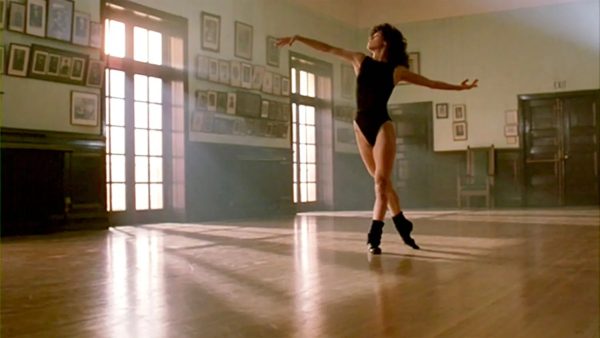
Featuring a soundtrack stuffed with 80s numbers and its iconic headline track from Irene Cara, Flashdance is utterly ridiculous. Jennifer Beals looks forever stunning throughout in her massive perm as she jumps between welding by day and exotic dancing by night, but really dreams of going to ballet school. In steps Michael Nouri to (despite looking much older) to provide the love interest.
Adrian Lyne could certainly do style and lush visual palettes, and he has a ball with Flashdance, which paints a simple underdog story with eye-popping frames, ludicrous dance numbers and a finale that has since become iconic. On top of that, the artistic merits weren’t overlooked with the film picking up four Oscar nominations (two for the most legendary tracks in the film, cinematography and editing).
Rocky IV
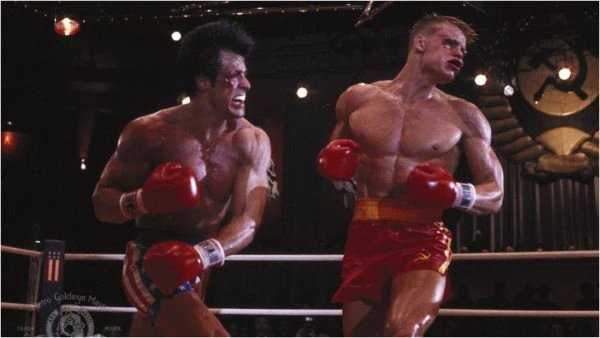
Stallone’s legendary boxing franchise began with a Best Picture Oscar winning film that also saw his screenplay nominated, and the four main cast members, too. Once Balboa’s franchise entered the 80s, the decade leaning on style, glitz and grand spectacle was in full effect. Antagonists were more overtly cartoony, the soundtracks filled with 80s bangers and the end pugilistic action wildly over the top. Never more so than with Rocky IV, which threw in a bit of Cold War histrionics on top.
By this point, Sly boiled down plot points and character arcs to the bare essentials, but somehow it worked brilliantly in a film that feels almost like a collection of montages, bookended by boxing bouts. This is all backed up by luscious cinematography capturing three perma-oiled muscle-bound hunks pummeling each other (Dolph Lundgren vs Carl Weathers initially and Stallone vs Lundgren at the end). Vince DiCola took over scoring duties from Bill Conti, with Sly jumping on the synth bandwagon of the time, and it’s infectiously good. The accompanying soundtrack selections are brilliantly cheesy, and the final duel between Balboa and the superhuman, Drago, is one for the ages.
Suspiria

Dario Argento’s classic Witchy horror film is a colour-drenched nightmare backed up by a prog rock score from Goblin. The Giallo master laid down a marker that put him at the top of the pile when it came to visually dynamic horror auteurs. So much so, he almost rewrote a book many had previously deemed was written by Mario Bava. Argento never set out to infiltrate his film with any great degree of subtext or carefully infiltrated social commentary. Horror as a platform has the ability to have more to say than many naysayers used to believe.
No, Argento wears the badge of simplistic spectacle like it’s a badge of honour. The death scenes are choreographed with macabre, almost darkly comical relish. It’s gruesome but also delirious and barnstorming. Every frame is doused in lurid colour schemes. Sometimes dominated by an individual primary or secondary colour, or in others, seeing two of said colours battling across the frame. Did I mention Goblin?
Drive
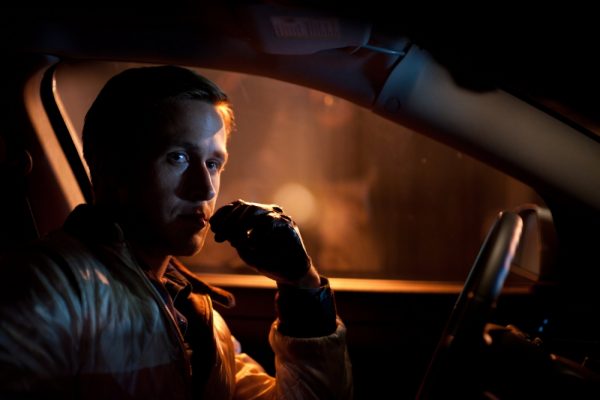
Nicolas Winding Refn reformulated Le Samourai and The Driver for the 21st century with this neo-retro, neon-soaked action thriller that’s his most crowd-focused work by far. Thunderous car chases backed by nostalgia-laced synth tracks and brutally violent sequences, with Ryan Gosling taking stoicism to new heights. This is a great example of the style being the substance, and Refn’s world starts to feel cerebral and dream-like.
Gosling is also backed up by a stellar cast who keep it propped up from potentially falling into B-picture territory. Ron Perlman, Albert Brooks, Carey Mulligan, Oscar Isaac and Bryan Cranston are all great.
Ocean’s Eleven
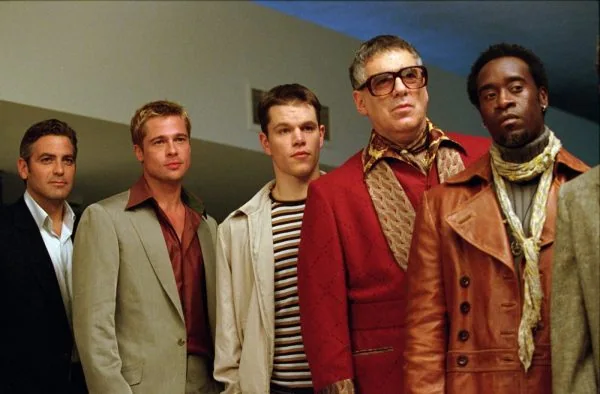
Take an all-star cast of Hollywood A-listers. Throw them all, impeccably dressed, into a glitzy Vegas set heist caper. This is pure, unadulterated style that revels in its flamboyance. George Clooney and Brad Pitt in particular have a charisma-off that almost melts the screen, with neither ever too preoccupied with layers or character depth (neither is Steven Soderbergh, who opts more firmly for joie de vivre). Still, the beauty is, Clooney, Pitt, and the others have enough gravitas and effortless charisma to get by on that alone.
As for the intricacies of the heist itself and the precision delivery by Danny Ocean’s crew, that’s also an expertly stylish element that gives the film a grand payoff. Might be one of the coolest studio films of the century.
John Wick
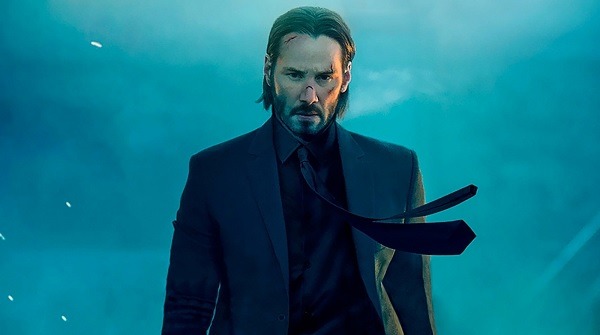
A film once almost destined to be placed unceremoniously straight to video ended up rejuvenating the career of Keanu Reeves. The first film was a standard hitman revenge movie with a little bit of added world-building and mythos to give it a little bit of extra oomph. As the films progressed, getting all the more elaborate, the visuals also became even more spectacular. The World of Wick is all precision tailoring (in bulletproof suits) and neon hues from every light source.
The franchise still continues to unleash gunfu with subsequent spinoff shows and movies, and the potential for a fifth film is being mooted.
Run Lola Run
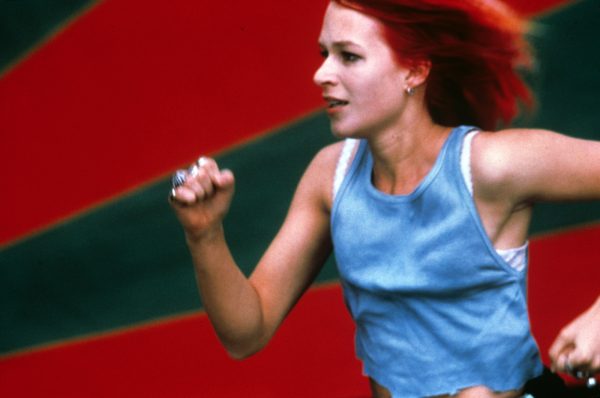
A protagonist with punky hair starts running in an adrenaline-soaked race against time for 20 minutes, leading to disaster. Then we play through again in a different timeline based on minute decisions that set Lola’s path on a different course. Run Lola Run came in the early days of a late 90s obsession with thumping techno soundtracks (see also Blade, which also qualifies as style over substance).
Run Lola Run grabs us pretty quickly and never lets go, with its pulsating score and kineticism. It’s rare for films to brim with so much visceral energy, and at the heart of it, Franke Potente is a dynamo.
Point Break
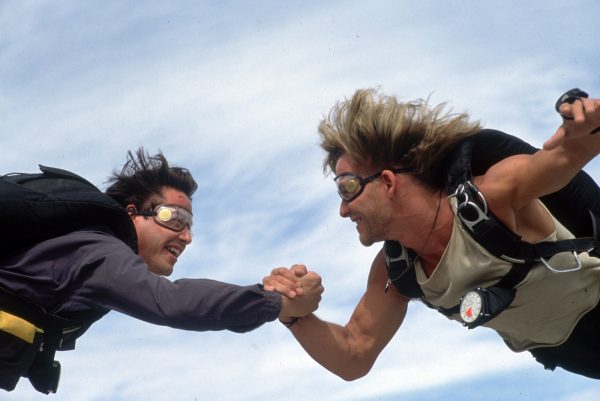
Kathryn Bigelow’s spectacular action thriller pits Keanu Reeves against a gang of surf enthusiast bank robbers. Their leader, Bodhi, played by a magnetic Patrick Swayze, is a seemingly wisened philosophically minded broheme but ultimately without much nuance as he becomes more (blindly) set in his ways than the people following the capitalist system.
Bigelow’s film looks as pretty as Reeves does, whilst perhaps being just as vacant as the character can come across. Still, this is a glorious-looking film loaded with dazzling surfing sequences, intense chases and loads of ambience, helped in part by Mark Isham’s dreamy score.
Desperado
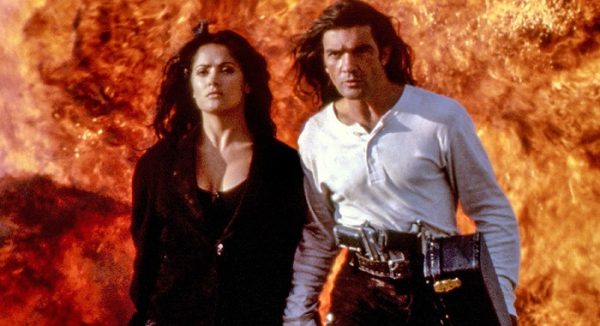
Take Antonio Banderas and Salma Hayek in their Hollywood breakout roles. Inject an action revenge film with flamenco flair and impeccable editing, all overseen with the firebrand creativity of a young Robert Rodriguez. It was his demi-sequel to his micro-budget action film, El Mariachi. Desperado never tried to be anything more than an unabashed and over-the-top riff on John Woo-esque shenanigans with RR’s own unique flair.
What elevated this above many similar revenge-themed films of the era was the style, boundless energy and the sizzling leads. Banderas is pure smouldering charisma. Hayek is just sensational. Throw in some stellar character actors like Steve Buscemi, Cheech Marin, Danny Trejo and Joaquim de Almeida and a great soundtrack from the likes of Los Lobos and Tito and the Tarantulas. It rockets by at just comfortably under 2 hours and is stuffed with excessive and (leave) logic at the door action.
What’s your favourite style over substance film? Let us know on our social channels @FlickeringMyth…