Burn, 2026.
Written and Directed by Makoto Nagahisa.
Starring Nana Mori.
 SYNOPSIS:
Runaway teen Ju-Ju finds belonging with misfit youths in Kabukicho, but betrayal transforms her haven into a prison, forcing her to reclaim control.
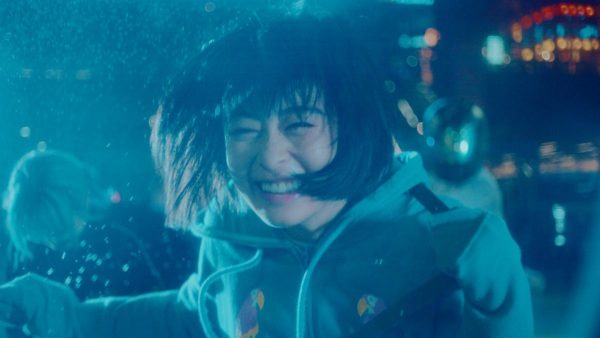
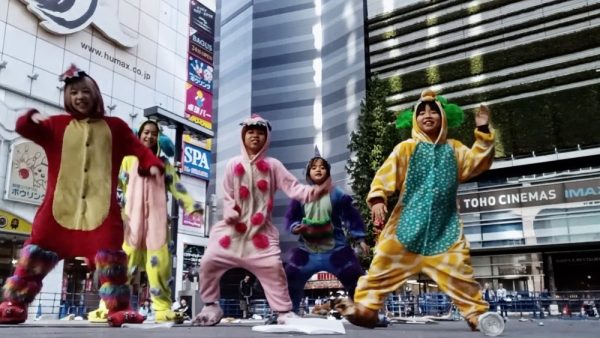
A bleakly authentic look at an unexplored Japanese subculture with, at times, a documentary-reminiscent aesthetic, writer/director Makoto Nagahisa’s depressingly moving Burn doesn’t hold back in its depiction of “Toyoko kids”, which is essentially a found family of homeless misfit runaways. Generally, there is either something odd about them, a disability, an addiction, or a struggle with self-harm (the closest thing I have to a leader, Wris, has that nickname as he is believed to have the most cuts of any human being across both arms), rendering them outcasts choosing to stick together. Some of these eccentricities lean toward the amusing (such as one girl who was always brushing her teeth), but make no mistake: this is a relentlessly dark look at a rough, sad lifestyle, one that refuses to wallow solely in the trauma. Even amid drama in some of these friendships, there are empowering moments and moments that demonstrate a concern for who these teenagers are as people, above all else.
The film was primarily centered on Nana Mori’s Ju-Ju, a girl who has reached her breaking point regarding never-ending physical abuse from her father, which, after his death, transferred over to the responsibility of her mother. With scars and bruises all over her back, she runs away, even if it means leaving behind and ignoring a sister that she misses dearly. It isn’t long before she becomes acquainted with the previously mentioned outcasts, striking up a friendship with a somewhat disabled girl (a visibly damaged foot hindering her walking ability); the first thing she says to Ju-Ju is the cruel truth about what society thinks of disabled people. They befriend one another and decide to stick together.
Ju-Ju soon discovers that this girl performs sex work; she has never had love in her life and certainly doesn’t have any money, so she is happy to take both, no matter who the creepy, perverted man is, willing to indulge in such illegal activity. Naturally, Ju-Ju is uncertain of what to make of this, but then comes to the realization that if you does this multiple times a day for a few months, she, in theory, might save enough money to get her sister away from that abusive household.
That is the gist of Burn, in a narrative sense, except that Makoto Nagahisa is wisely more concerned with observing this community and showing them for who they are, rather than limiting them to their vices or issues. The filmmaker also has a distinctive visual style, sometimes crafting imaginative scenes such as a fantastical trip to heaven in the form of a high-class hotel room, or stylistic flourishes involving, well, burning. Similarly, there is a sensitive approach to the filmmaking, with an awareness to switch to overhead or faraway security camera footage to avoid depicting something traumatic. Even the numerous sex scenes are brief and stick to the faces of the girls faking pleasure, and the slimy men in this district are comfortable taking advantage of them.
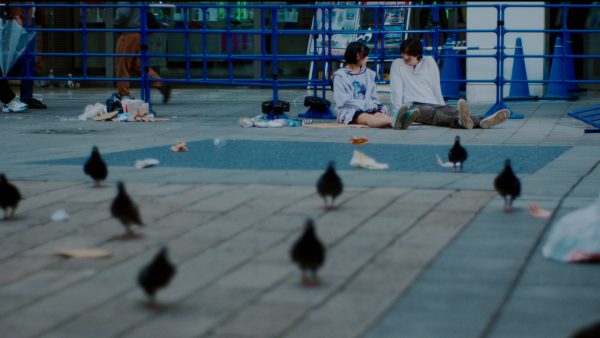
At the end of the day, these kids in Burn are just trying to feel something and push forward in the hope of better days. We feel for them too.
Flickering Myth Rating – Film: ★ ★ ★ / Movie: ★ ★ ★ ★
Robert Kojder