Joybubbles, 2026.
Directed by Rachael J. Morrison.

SYNOPSIS:
Blind Joybubbles finds he can control phones by whistling specific tones. His discovery, born from loneliness, becomes foundational to hacking culture and tech history.
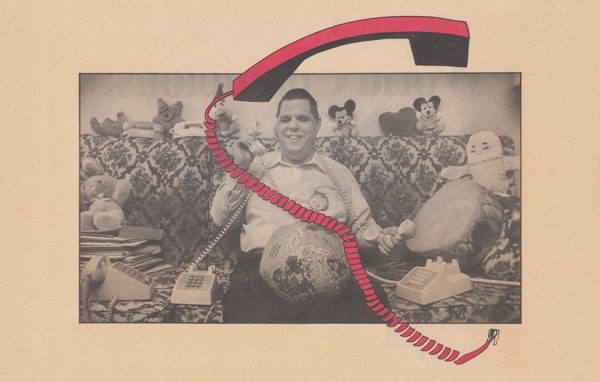
The Internet has been such a godsend for lonely and/or disabled people seeking connection that it is a wonder what, say, an introverted blind individual did before then to make friends or have some type of social life. In the case of Joe Engressia, that solution came from his gift for hacking the early telephone system, enabling him to make long-distance calls anywhere in the world for free at a time when making calls was rather expensive. This was accomplished by whistling the area codes into the phone, but for director Rachael J. Morrison’s documentary Joybubbles, that’s only beginning of the fascination here, as this is a film that goes well beyond that antiquated technological hiccup to also function as a study of the trials and tribulations of living a disabled life, which again, was unquestionably much more challenging growing up circa 1960s.
It is also a documentary that establishes a story, so to speak, as Joe (seen and heard through archival footage, photographs, and sometimes playing all the audio stylishly set to the image of a telephone cord visualized as a soundwave rising up and down) dreams of one day residing in a high-rise (a word he loves to say because of the way it sounds) apartment with an indoor swimming pool. However, this dream might never become a reality as there are challenges to living an independent life, especially when it comes to moving around in public and holding a job.
Joe is a gifted, playful, and intelligent person, not to be defined by his disability, yet that’s what companies try to do, even when he is qualified to work in the telephone business. As such, he tries to draw more attention to his telephone hacking (which is illegal and almost got him kicked out of college after he made some friends and charged them a small fee to make these long-distance calls), hoping that there is no such thing as bad publicity.
This whimsical man, full of childlike wonder, also staves off loneliness by, at one point, creating a number under a quirky name that would assuredly end up on the bottom of the last page of any phonebook, offering conversation and companionship. It’s a clever old-school way of fostering connection that, with interviews from several friends on hand, yielded heartwarming results. There are some darker elements to Joe’s past that left him a Peter Pan-esque personality, refusing to grow up and stay a child whenever he wasn’t working. Scenes of him as an adult learning how to kick his feet back and forth on a swing set for the first time are touching, as his friends note that, today, it is thankfully more accepted to want to work through trauma by having a childhood where there might not have been much of one before.
At barely 76 minutes, it’s impressive how much Joybubbles covers, starting with technological quirkiness before evolving into something moving about life with disability that’s also inspirational, without any traces of pandering. The unorthodox method of human connection on display is uniquely moving, as the documentary consistently feels as if it’s covering something greater than one man hacking telephones: a defiance of loneliness, ableism, and trauma. This is a soul-nourishing documentary about a soul-nourishing person
Flickering Myth Rating – Film: ★ ★ ★ / Movie: ★ ★ ★ ★
Robert Kojder