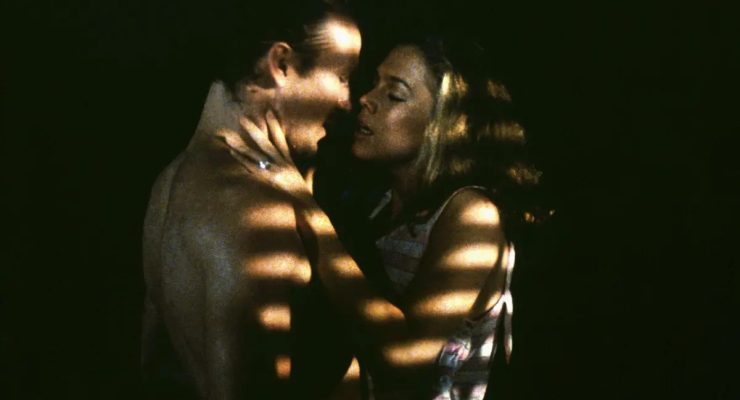
We take a look at a great year for cinema with ten essential movies from 1976…
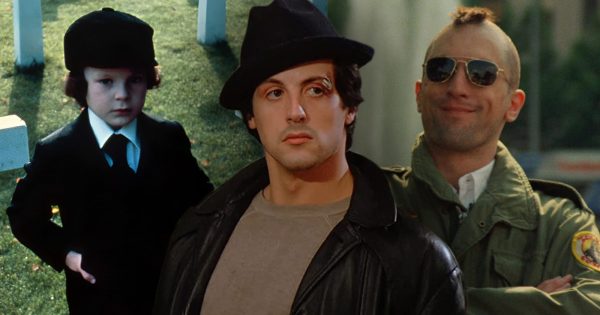
A stellar year in cinema can sometimes be judged by the strength of the Best Picture nominees. Then you could look again in a decade or two and see which films have accrued a loyal cult following and been more patiently discovered in time.
The year 1976 had a superb selection of now iconic cinema that saw a group of Best Picture Oscar nods so sterling that the eventual winner proved contentious. There were also films that became iconic in the horror genre and made stars of directors who’d spend the next decade and beyond as the cream of the crop. From underdog stories to biting satire to demonic horror and much more, these are the essential movies from 1976…
Taxi Driver
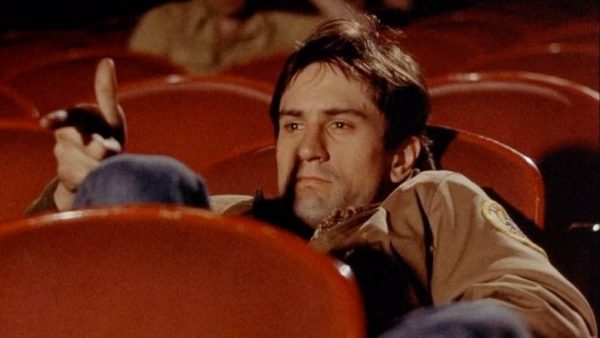
Having gained attention with Mean Streets, Martin Scorsese had a weight of expectation on his follow-up. By this point, however, he was almost a decade into his feature film career, having started, as many of his contemporaries of the era did, in B pictures or ultra-low-budget indie flicks.
Still, the rip-roaring visceral energy and dynamic performances in Mean Streets were a rough and ready alternative to grandiose gangster epics like The Godfather. So the tale of a sociopathic ex-Nam vet turned reclusive taxi driver felt like it might have carried the same barnstorming approach. It didn’t. Scorsese, armed with an incredible Paul Schrader screenplay, subverted any expectations viewers might have had from his next film.
Taxi Driver ended up as a Best Picture nominee, had an effectively contrarian score (from old school maestro, Bernard Hermann), and dreamlike night visuals of New York, which in turn contrasted with the stark matter-of-fact grimness of the daylight sequences. Robert De Niro, so brash, cocky and boisterous in Mean Streets, was introverted, intense and chilling as Travis Bickle, with great support from a young Jodie Foster, slimy Harvey Keitel, Cybil Shepherd and even Scorsese himself in an unnerving cameo. Many have tried to repackage what made Taxi Driver so exceptional, not least Todd Phillips’ Joker, but nothing has come together like this, with parts that in theory shouldn’t fit, but have melded into something incredible.
Network
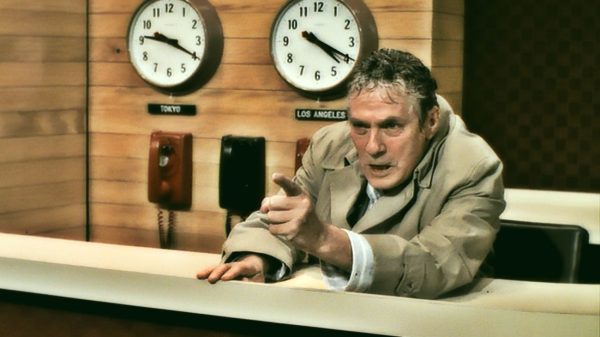
One of the other Best Picture nods of the Oscars ceremony was Network. Now, in terms of films standing the test of time and perpetually staying relevant and only gaining in prescience, Network takes some beating. This film is right now, as far as media manipulation and the cult of personality.
Sidney Lumet is the man behind innumerable masterworks, and yet he probably doesn’t get held in as high regard as certain directors (arguably including the aforementioned Scorsese). It’s a travesty because if there’s a top table, a grand pantheon, then the man who made 12 Angry Men, Dog Day Afternoon, Serpico, Network and many more, should have a seat there.
Superb performances litter Network, with Faye Dunaway, Peter Finch, William Holden, Robert Duvall, Beatrice Straight and a scene-stealing Ned Beatty all in top form. Five of the performers were nominated for Oscars, with Dunaway and Straight taking awards as Best Actress and Supporting Actress, respectively. Finch won a posthumous award as Best Actor.
Rocky
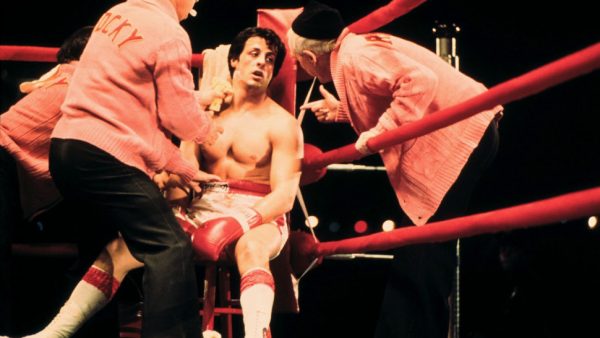
Hollywood, off the back of Jaws and a year before Star Wars, was just starting to see a cultural shift toward more uplifting and inspiring stories, rather than the dark, gritty pessimism of the previous 10 years or so.
Rocky, a relatively low-budget studio picture, was an unexpectedly huge box office success. A film with a largely unknown leading man and a supporting cast made up of character actors who weren’t huge, or in the case of Burgess Meredith, deemed more synonymous with TV in that era. Sylvester Stallone’s script with his eponymous underdog struck a chord with Americans and many across the globe. Whilst the central cast gave performances that took the masses by surprise, conversely, you knew what you’d get from the likes of Dunaway, Finch and Holden in Network. Stallone, Burt Young, and Talia Shire were unknown quantities in roles so central. All four principals were nominated for Oscars in the acting roles. Meredith delivers his lines with such spine-tingling gravitas that few can match him.
The film itself was something of an underdog story from conception (with Sly practically destitute before holding firm and insisting on the lead role to his script) to the awards night performance, where it was nominated for 10 Oscars, winning three for Best Picture, Director and Editing. Whilst some have made the case it was unworthy of Best Picture, in most years it would have been a more than worthy winner. The uplifting and heartfelt romance (hiding behind the context of a boxing underdog story) still delights and carries so much weight. Much of the goodwill afforded to Balboa carried through a 40-year franchise.
Obsession
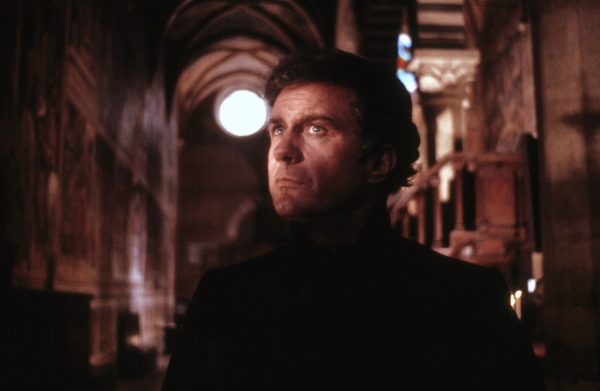
It’s time to take a wild left turn. Sure, we could go with Carrie, the film that really put Brian De Palma on the map as one of the big swingers of the New Hollywood era, but it gets more than enough kudos. It was also one of two films he made that year. Whilst his Stephen King adaptation is a horror classic, few tend to remember a film that actually fits more comfortably in De Palma’s oeuvre overall.
Obsession, like many of his films, is an unadulterated love letter to Hitchcock. It’s not his best Hitch homage, but there’s so much to admire about Obsession with De Palma’s stylish and impressively unrestrained approach to making a mainstream movie. A lot of his era were coming in and sweeping the rug out from under the feet of formula and traditional filmmaking techniques, but arguably none so bombastically as De Palma.
It features one of two Oscar-nominated Bernard Hermann scores that year (along with the aforementioned Taxi Driver), and an impressive cast headed by Cliff Robertson and BDP stalwart, John Lithgow. If you love a Hitchcockian thriller (here at Flickering Myth, we do so much, we made one called Death Among the Pines), then Obsession is pure idiosyncratic De Palma.
Marathon Man
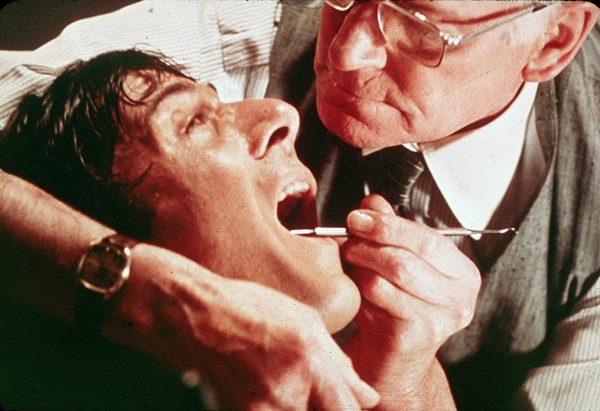
Dustin Hoffman wasn’t content with one paranoia-filled conspiracy thriller that year, so he made two. All the President’s Men was a fresh out of the blocks take on the Watergate scandal. However, I’m going to go with John Schlesinger’s involving and patiently gripping film that thrusts a student who enjoys training for marathons (played by Hoffman) into a chilling game of cat and mouse when his spy brother (Roy Scheider) turns up close to death and inadvertently sets the eyes of ex-Nazis and rogue agents on his tail.
The rather civilised and cultured history grad is suddenly in a life or death scenario, blissfully unaware of just what Dr Szell (a chilling Laurence Olivier) is after. Schlesinger cranks up the tension unbearably at times, in between some nail-biting and sometimes horrifying sequences (like the infamous dental sequence). Released nowadays, this would be harvesting Oscar nominations, rather than the solitary nod for Olivier, which even then felt like a respectful tip of the cap to a long-standing legend.
1900
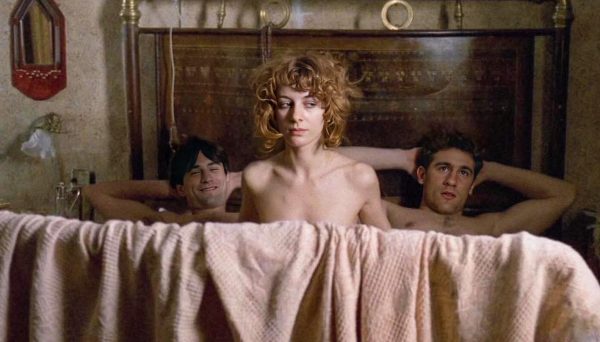
It’s another De Niro special. If it all went spectacularly right for Bobby and Marty with Taxi Driver, then 1900 was the antithesis for De Niro and director Bernardo Bertolucci. Having previously courted controversy with Last Tango in Paris, Bertolucci was already used to rubbing critics up the wrong way, but he was still deemed to have enough credit in the bank thanks to his first major film, The Conformist.
1900, in much the same way as Heaven’s Gate would be a few years later, for a top of his game, Michael Cimino ended up a critical and commercial disaster, shredded by critics for being indulgent and laborious. However, much like Heaven’s Gate, time has slowly seen some reappraisal for 1900. Sure, it’s a gargantuan and occasionally unfocused 5 hours (plus) of carte blanche excess, but within it are moments of brilliance. If it’s a failure and remains so, it’s a fascinating one, even if De Niro is far from the top of his game. Hit it in two sittings.
The Omen
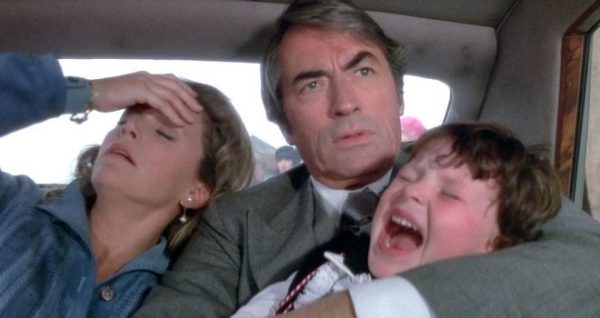
Demonic horror was all the rage from the late 60s onward. The Omen was a success from the off, only gaining in reverence in the years since and indeed spawning sequels and reboots. The original remains the best and one of the most superbly executed films in the genre, filled with memorable imagery, music, performances and shocking moments.
Richard Donner, whose adaptability shouldn’t go unrecognised, showed himself highly adept in horror but able to deliver payoffs with the kind of precision and aplomb he could to action films like Lethal Weapon. The demise of David Warner’s character here is delivered with the kind of timing and execution of a gold medal winning gymnastic floor display. Every beat of the routine hit to perfection.
God Told Me To
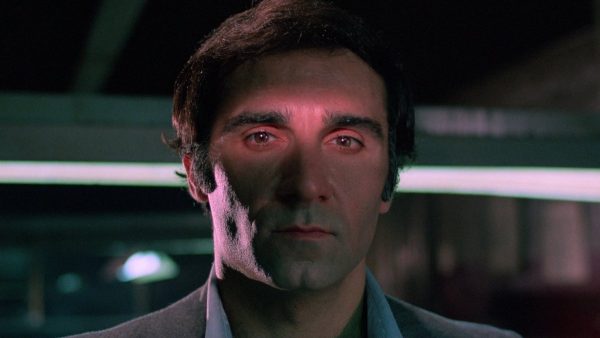
Here’s the cult film with the great concept that way more people need to see. Master of B-movies and killer concepts, Larry Cohen had a string of great films through the 70s and 80s, whether as writer, director or both. God Told Me To sees a string of seemingly motiveless murders where the connection between suspects is the fact that God told them to do it.
A beleaguered detective (Tony Lo Bianco) delves deeper into the grimy and murky underbelly of New York as he tries to seek the truth behind the murders. Cohen’s film, made for Roger Corman’s New World Pictures, is a low-budget rough-and-tumble gem, with a good chunk of guerrilla filmmaking that gives the film some dynamism. It jumps between exploitation flicks with dashes of commentary with consummate ease. It’s always enthralling, rumbles with a sense of dread, and Lo Bianco gives an excellent performance.
The Killing of a Chinese Bookie
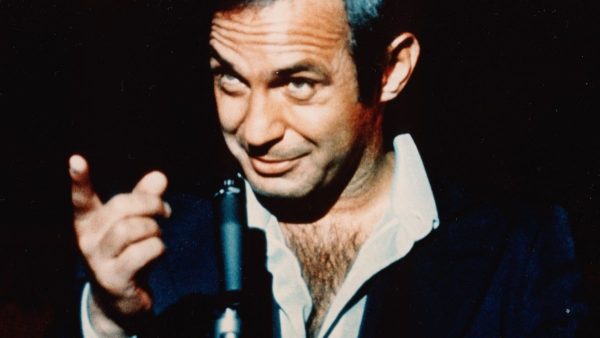
Speaking of a jump-in-and-shoot indie filmmaking approach, perhaps the godfather of American independent cinema, John Cassavetes, also had a film out with The Killing of a Chinese Bookie. If you’ve seen and enjoyed any of the Safdies’ (solo or duo) anxiety-inducing thrillers, with flawed antiheroes on a quest to make perpetually bad decisions, then you’ll get a kick out of this (undoubted) inspiration.
Led by a magnetic turn by Ben Gazzara, this saw Cassavetes dive into crime thriller territory with his patented intimate and intense filmmaking style. It’s raw, visceral and pulsating with Gazzara’s selfish and hapless strip club owner, saddled (through his own doing) with debt and tasked with killing a target to pay it off. It’s a visceral descent to the bottom as Gazzara digs himself ever deeper. It’s unceremoniously shot without airs or graces, but still somehow visually dazzling.
In the Realm of the Senses
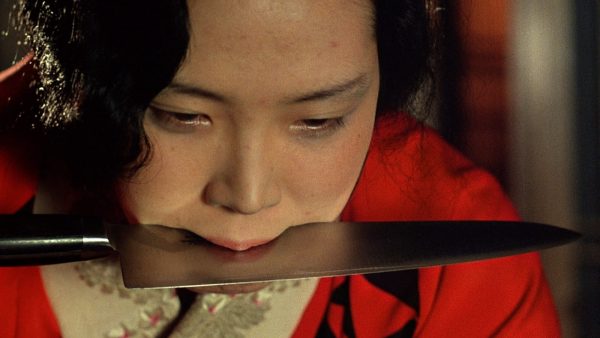
Courting no shortage of controversy in its native Japan and across the world, In the Realm of the Senses challenged censors the world over with its explicit sex scenes and disturbing sadomasochistic storyline (based loosely on a true story).
Nagisa Oshima’s (most famous for Merry Christmas, Mr Lawrence with David Bowie) erotic art house film is certainly disturbing and yet a dreamlike work of art with fascinating performances from Eiko Matsuda (whose short-lived career was predominantly in Japanese exploitation films and B pictures) and Tatsuya Fuji. In an era now where arthouse directors like Noe or Von Trier can blur the lines between art and porno, and films as explicit and unhinged as Saltburn are deemed mainstream, the shock factor of Oshima’s work has muted, but its artistic merits and stunning photography are more dazzling than ever (thanks to recent restorations). This isn’t murky back-of-a-van bootleg material anymore; this is a Criterion release.
Honourable Mentions:
Carrie, All the President’s Men, Assault on Precinct 13, The Outlaw Josey Wales, Bugsy Malone, Logans Run, Kings of the Road, The Tenant, The Man Who Fell to Earth.
What’s your favourite film from 1976? Let us know on our social channels @FlickeringMyth…
Tom Jolliffe