• News
  • Reviews
  • Features
    • Articles and Long Reads
    • Interviews
    • Exclusives
  • Pop Culture
    • Movies
    • Television
    • Comic Books
    • Video Games
    • Toys & Collectibles
  • Flickering Myth Films
  • About
    • About Flickering Myth
    • Advertise on FlickeringMyth.com
    • Write for Flickering Myth

Flickering Myth

Film & TV News, Reviews and Features

  • Movies
  • News
  • Reviews
  • Long Reads
  • Trending
  • Franchises
    • Marvel
    • DC
    • Batman
    • Star Wars
    • Transformers
    • G.I. Joe
    • Masters of the Universe
    • Street Fighter
    • Teenage Mutant Ninja Turtles
    • Star Trek
    • The Lord of the Rings
    • James Bond
    • Alien
    • Predator
    • Doctor Who
    • Harry Potter

Ozark cinematographer explains why season 3 wasn’t as visually dark as other seasons

August 22, 2020 by Samuel Brace

Armando Salas, the cinematographer for Ozark, has explained why season three felt brighter visually than the first two seasons.
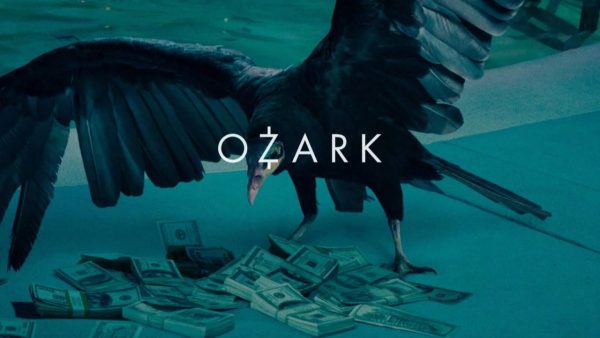
Ozark will finish up its run with a fourth and final season on Netflix, set to begin shooting this November. Season three was another acclaimed entry in the crime series but there was a noticeable difference between what had come before.

Season three was visually brighter than the very dark and saturated visuals of the first two seasons. Season three even felt more colourful than past installments. Why the change? Well, cinematographer Armando Salas spoke to Collider about it:

“Well Season 2 was incredibly bleak from a story perspective and what the characters were going through. And then Season 3, the playing field gets bigger. The ambitions get larger, the operation becomes more sophisticated. So the look is very much in line with the story. You follow the story, you follow the script. And so the look involved with the arc of the characters and of the storytelling and it’s a bigger palette, more sophisticated world. And it also branches out, like you said, into the casino, into the Navarro compound. So you still have the signature hues that you’re used to, that the audience has been accustomed to, but it’s also kind of developing beyond that and expanding. And I think that the two words that Jason and I discussed early on were expanding and sophistication. And so it’s like, how do you implement that concept?”

When asked more specifically on the question of light and brightness in season three, Salas explained that there were technical considerations behind the decision as well:

“It gets really technical because basically Netflix is a HDR delivery with Dolby Vision so we implemented Dolby Vision, or an HDR onset workflow, which basically we reinvented the workflow of the show to match the distribution format, which obviously affects the image. It makes it so that we’re actually much more in tune with the final distribution. And so some of it is that, and some of it is just the discussion of the look becoming more sophisticated meant we had a softer shadows. We had a little more detail and a little more texture in the shadows than in Season 2, which even though the highlights and the brightness of the overall image is actually the same, just having that softer curve at the bottom is a lot easier on the eyes.”

SEE ALSO: Ozark season 4 will begin filming in November

Whatever the rationale behind season three’s changes, it was a visually beautiful season of television helping to present another riveting set of episodes. Hopefully, season four can finish things off with a bang.



Filed Under: News, Samuel Brace, Television Tagged With: netflix, Ozark

WATCH OUR LATEST VIDEO HERE

YOU MIGHT ALSO LIKE:

David Lynch: American Cinema’s Great Enigma

The Essential 1990s Superhero Movies

10 More International Horror Movies You Need to See

The Essential Man vs. AI Movies

7 Chilling Killer Kid Movies You Need To See

10 Unconventional Christmas Movies (That Aren’t Die Hard)

The Essential Indiana Jones Knock-Offs of the 1980s

10 Great Forgotten Gems of the 1980s You Need To See

The Essential Revisionist Westerns of the 21st Century

Classic Retro Video Games Based on 80s UK TV Game Shows

FEATURED POSTS:

10 A-List Actors You Forgot Were in the Marvel Cinematic Universe

10 Great Direct-to-Video Action Movies of the 1990s

Sam Witwer, Gideon Adlon and Vanessa Marshall talk Star Wars: Maul – Shadow Lord at Fan Expo Canada

10 Essential 1980s Indie Sci-Fi Movies You Might Have Missed

Jason Voorhees and Art the Clown join NECA’s Fortnitemares action figure collection

New Doctor Who Pop! Vinyl figures incoming from Funko

8 Essential Killer Car Movies You Need to See

Movie Review – The Whisper Man (2026)

FLICKERING MYTH FILMS


YOU MIGHT ALSO LIKE:

Ten Controversial Movies and the Drama Around Them

The Essential Robert Redford Movies

10 Essential Comedy Movies of 1996

Ten Essential Films of the 1940s

  • News
  • Reviews
  • Features
    • Articles and Long Reads
    • Interviews
    • Exclusives
  • Pop Culture
    • Movies
    • Television
    • Comic Books
    • Video Games
    • Toys & Collectibles
  • Flickering Myth Films
  • About
    • About Flickering Myth
    • Advertise on FlickeringMyth.com
    • Write for Flickering Myth

© Flickering Myth Limited. All rights reserved. The reproduction, modification, distribution, or republication of the content without permission is strictly prohibited. Movie titles, images, etc. are registered trademarks / copyright their respective rights holders. Read our Terms of Use and Privacy Policy. If you can read this, you don't need glasses.


Flickering MythLogo Header Menu
  • News
  • Reviews
  • Movies
  • Features and Long Reads
  • Trending
  • Franchises
    • Marvel
    • DC
    • Batman
    • Star Wars
    • Transformers
    • G.I. Joe
    • Masters of the Universe
    • Street Fighter
    • Teenage Mutant Ninja Turtles
    • Star Trek
    • The Lord of the Rings
    • James Bond
    • Alien
    • Predator
    • Doctor Who
    • Harry Potter
  • Flickering Myth Films
  • About Flickering Myth
    • About Flickering Myth
    • Advertise on Flickering Myth
    • Write for Flickering Myth