Continuing a look back at some of the most ground-breaking films in cinema, Tom Jolliffe takes a look at Rashomon…
When looking back through the work of Akira Kurosawa, it would be difficult to pinpoint only one film as particularly ground-breaking. The truth his, through his early career in a post-war boom for Japanese cinema (particularly creatively speaking) he would be one of the most influential directors in the country, and one whose work found an audience worldwide more than anyone else in the era from Japan (and across the whole of Asia too). Kurosawa set trends and re-invented the American Western staple as the iconic Japanese Samurai film. Those would then in turn become a heavy influence on a new wave of Westerns in America and then from Italy in the 60’s. Later, films like Hidden Fortress would have a direct influence on Star Wars, which then essentially changed the landscape of cinema (more on that in the next instalment…spoiler alert).
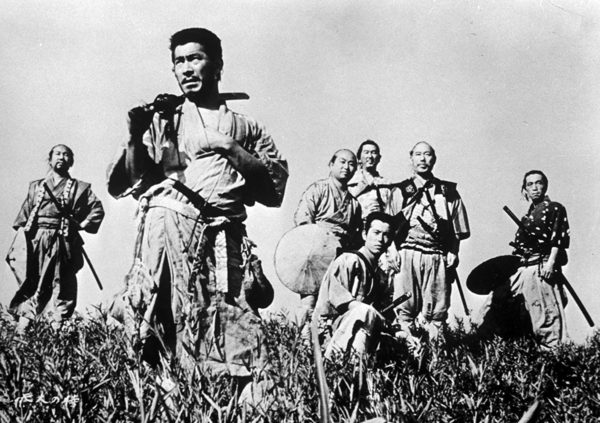
If one were to try and boil down Kurosawa’s works to pinpoint his most influential you’d perhaps settle on one of two. Before I move onto the subject of the article today, a brief moment on ‘the other.’ Seven Samurai is utterly iconic. You’d be hard pushed to say that it’s not one of the most influential action movies ever made. It essentially laid out a blue print that Marvel films still follow, to great success in the modern era. If Marvel currently rule the action genre, then Seven Samurai taught it everything it knows, whether directly or indirectly. Just watch Seven Samurai though, from it’s mix of drama, action, comedy and pathos, it’s basically an Avengers. Though to be clear, the subtleties, depth and characterisations, as well as structure and tension are of course far great in Seven Samurai, whereas, to an extent, Avengers etc are still fairly production-line in their mentality.
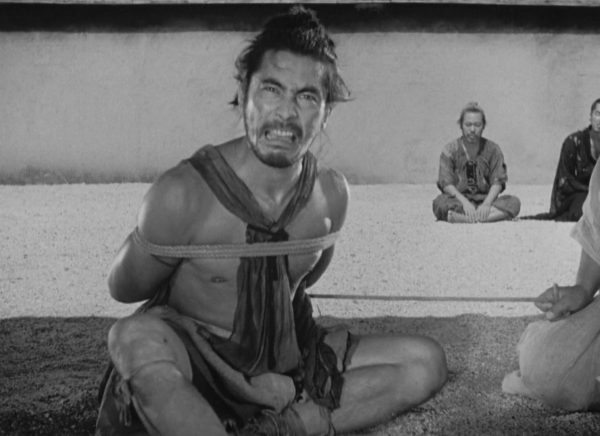
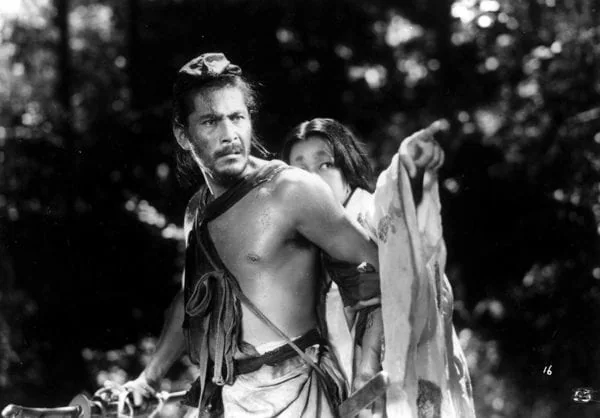
So onto the other of Kurosawa’s particularly influential works. Rashomon marked his first significant Samurai picture, and the first that really drew attention to him across the West. In fact, Rashomon was nominated for an Oscar for its art direction as well as winning an honorary award for best foreign picture. The world took notice, but why?
Rashomon on the surface is the very straightforward tale of recounting the murder of a Samurai and rape of his wife at the hands of a bandit. The genius of Rashomon though, was the fact that the story is retold through the perspective of four different people. It offered a degree of complexity but also toyed with the notion of perspective. In cinema our default is to trust a narrator, or a protagonist (if those two are one and the same, occasionally not). Our gaze might be very focused through the eye of a particular character, or we might be watching more objectively to an unfolding story, but that trust, in what we’re being told still has to hold sway. So if we are recounted the same story, four times, with each version having very marked differences, then who do we trust? This was a cinematic curveball, and whilst the notion of the unreliable perspective had been done before, it had rarely been used so enthrallingly as in Rashomon, and certainly not offering us four alternatives.
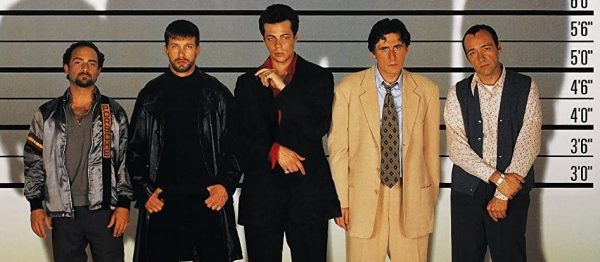
The stories converge and cross-pollinate. They piece together like a jigsaw, but there are always pieces missing, or elements we may find ourselves torn on the validity of. The whole thing is expertly weaved as we’ll now retrospectively know to expect from a master craftsman, but Rashomon blew audiences away for its intricacy. Without Rashomon we may not have had Reservoir Dogs, or The Usual Suspects, to name a couple of films so heavily inspired by elements in the film (from structure, to reliability of your narrator). If you think of the about turn in The Usual Suspects as an example, we’re recounted a story, predominantly from the point of view of Verbal Kint (Kevin Spacey) about just what lead to a dockside slaughter, and who was responsible. We spend the film listening, as he takes us through the timeline. He’s caught out during it as having withheld or bent the truth by his interrogating officer (Chazz Palminteri), but as we discover by the end, even those initial mistruths are calculated, masking a greater ruse from Kent. Our eye piece isn’t actually Kint, it’s Kujan (Palminteri), and like him, we’ve been lead up the garden path.
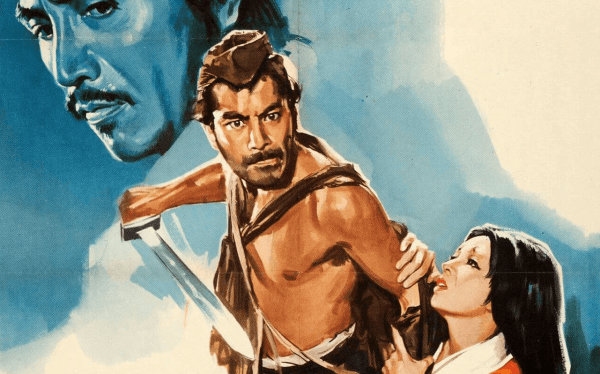
Kurosawa’s usual suspects also appear in Rashomon, most notably Takashi Shimura and of course the inimitable Toshiro Mifune. Kurosawa’s films were always wonderfully cast, but his go to leading man of the era is one of cinemas most majestic grand-standers. Mifune’s complex and multi-layered performance here is something we’d grow to expect from the great man. Kurosawa’s skill in editing the film together is also not to be understated. He never loses a tight grip on the overall story. Once you play with structure like this, it can be difficult to keep your audience engaged, because the through line has to remain consistent, even if you’re jumping back and forth. In this case we’re kind of retconning the story four times, but each retelling has its own unique, personalised feeling.
What are your thoughts on Rashomon? Do you consider it to be a ground-breaking film? Let us know on our social channels @flickeringmyth…
SEE ALSO: Akira Kurosawa’s Police Procedural Films
Tom Jolliffe is an award winning screenwriter and passionate cinephile. He has a number of films out on DVD/VOD around the world and several releases due in 2020/21, including The Witches Of Amityville (starring Emmy winner, Kira Reed Lorsch), War of The Worlds: The Attack and the star studded action films, Renegades (Lee Majors, Billy Murray) and Crackdown. Find more info at the best personal site you’ll ever see here.
Originally published September 20, 2020. Updated November 15, 2022.