We head across the Nordic region to bring you a selection of essential and grim noir movies….
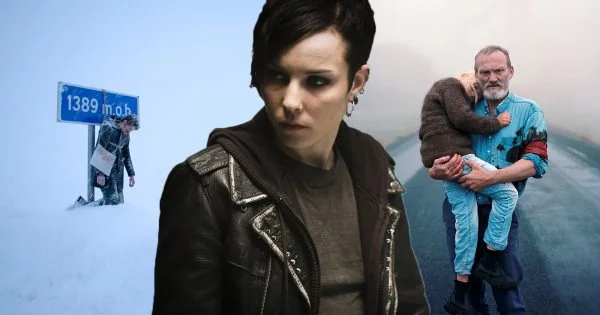
Wintry surroundings with cold, stark, and grey landscapes. Nordic cinema does certain things as well as, if not better than, anyone else. The halcyon days of Ingmar Bergman saw intense character studies that scraped back the psyche of protagonists dripping in repression. Tie that psychological depth with the trappings of noir, and inevitably, a whole geographic region seemed to excel in crafting dark, complex cinema with the perfect backdrops to shoot in. If you want to dip your toes into Nordic noir, then worry not, because we have a perfect eight to start your journey with…
Insomnia
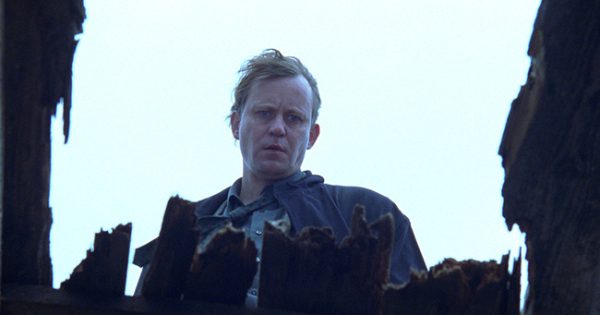
Made famous with Christopher Nolan’s star-powered Hollywood remake, the original Insomnia is a Norwegian crime thriller that sees a Swedish investigator (Stellan Skarsgard) travel to a region currently experiencing 24 hour daylight, to try and track the murderer of a teenage girl.
If you’ve seen Nolan’s version, then the two plots play out pretty much the same. Nolan’s film was also a rare example of a worthwhile remake that matched punches with the acclaimed original, whilst also offering just enough of a nuanced variation to make it stand on its own. Where Al Pacino’s morally obtuse cop differs, though, is that he feels like a man trying to clasp water, digging himself deeper after a string of bad decisions. He retains some level of sympathy as he suffers crippling guilt and insomnia.
The biggest thing people will pick up with Erik Skjoldbjærg’s original is that Skarsgard is far more calculated in what he does. A sociopath bordering on psychotic, with the film feeling far darker than its latter Hollywood counterpart. More interesting? Perhaps, but again, different enough to make both versions of the insomniac cop intriguing. Skarsgard is absolutely superb and effectively chilling at times. The visuals are unfancy but befittingly cold and grim.
The Hunt
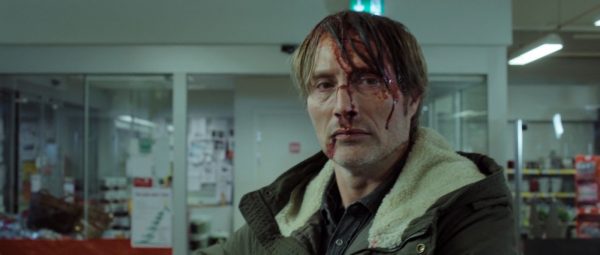
A Danish, Swedish (as well as Belgian and French) co-production, set in Denmark, sees Mads Mikkelsen as a teacher held in high regard in his locality, but whose life falls to pieces after wrongful allegations of sexual misconduct against a child. The rumours swirl, innocent until proven guilty is cast asunder, and he becomes a pariah.
Thomas Vinterberg’s film is grim and unflinching, painting a scenario that feels worryingly plausible, whilst never painting the confusion of a small child as anything but innocent. Mikkelsen’s performance is incredible, the locations striking, and the film’s lasting impressions are unforgettable.
A White, White Day

Over to Iceland now, for this brooding psychological drama that simmers with impending noir fatalism, with an aging local police officer delving into the death of his recently deceased wife. The more he digs, the more he uncovers things that not only make him reevaluate his view on his marriage, but cause a seething rage to intensify.
Hlynur Pálmason’s thriller is powered by a quiet, still performance by Ingvar Eggert Sigurðsson, which occasionally gets punctuated by the bubbling anger, escaping. Stunning Icelandic backdrops, often bathed in mist, add a perfect metaphor for the character’s turmoil.
Pusher
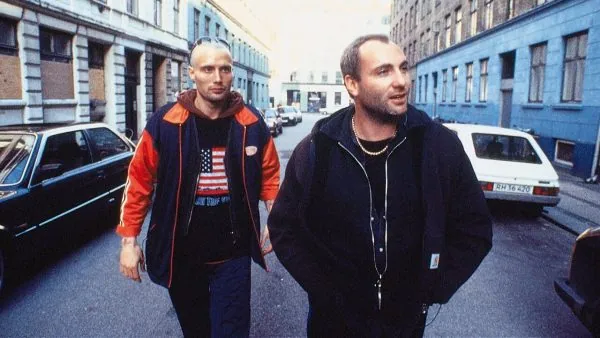
Nicolas Winding Refn has the long-awaited Her Private Hell due out later this year, which looks a world away from his grittier, perhaps more formulaic beginnings with Pusher. His energetic crime thriller, with a kinetic handheld camera and snappy pacing, introduced cinema to Mads Mikkelsen and also helped cement Kim Bodnia as one of Denmark’s most popular stars.
Refn’s trilogy was, in effect, an immediate focus on three different characters in each film. Bodnia is the central protagonist in the first film as a low-level pusher who gets himself into a sticky situation, running afoul of a drug lord after a botched job. It never lets up, Bodnia is charismatic, and Mikkelsen, in support, is magnetic (he’d become the center of the second Pusher film).
In Order of Disappearance
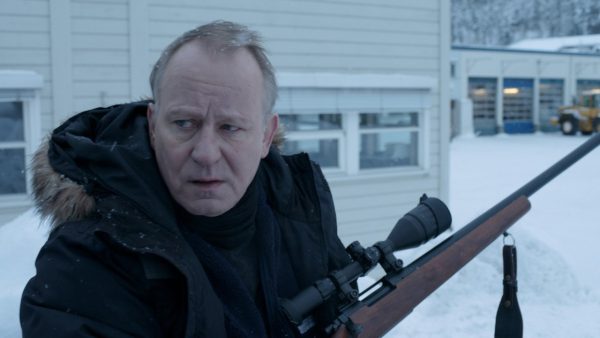
It’s not all doom and gloom in Nordic cinema, by the way. Even with repressed characters and tales of crime and murder, they’re not averse to a heady dose of black comedy. Step forward In Order of Disappearance (starring Stellan Skarsgard again). Some will recognise the Hollywood remake, Cold Pursuit, with Liam Neeson (also directed by the original creator, Hans Petter Moland).
Needless to say, the original version is better and far more interesting, given the natural complexity Skarsgard puts into the role. It’s wry, dark, and doesn’t fall into perfunctory routine as Neeson’s version inevitably did.
The Girl With the Dragon Tattoo
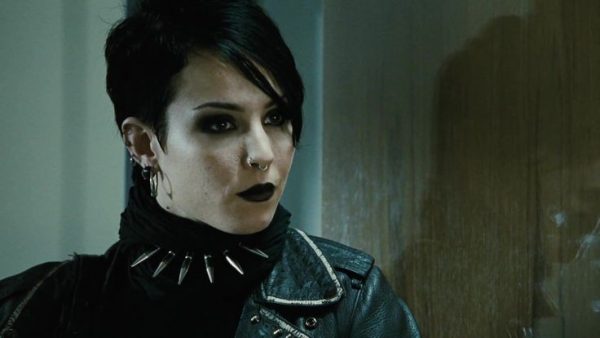
Based on Stieg Larsson’s novel, The Girl With the Dragon Tattoo was a big hit across Europe, eventually spawning the David Fincher reboot with Daniel Craig. Familial murder mystery with sex, drugs, and a goth heroine. Noomi Rapace, as the iconic Lisbeth Salander, became a star and got a ticket to Hollywood in the aftermath of the film’s well-traveled success.
The dark, lurid side and Salandar’s troubled psychological state made the book and its first film adaptation stand out. Fincher made a great version of the first and best story, but the decision to keep it set in Sweden with Swedish characters, in a cast made up of Americans (aside from a few, including Stellan Skarsgard), did feel off, whilst the genuine Nordic DNA in the original film gives it the edge. Again, as good as Rooney Mara was (and it made her a star), Rapace felt less contrived and more enigmatic.
Nightwatch
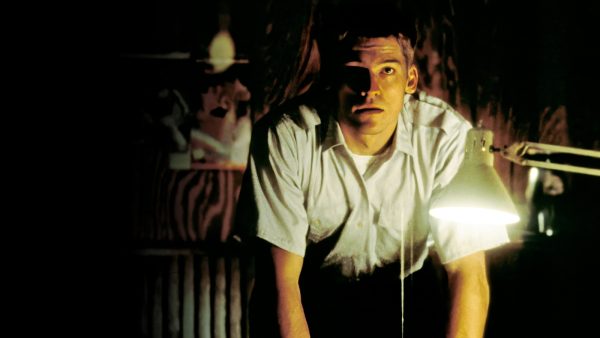
You’ll notice a common theme. A corking Nordic thriller comes out, does well, and inevitably Hollywood remakes it. Nightwatch (not to be confused with the Russian action fantasy from Timur Bekmambetov) is an atmospheric, creepy mystery thriller from Ole Bornedal, starring Nikolaj Coster-Waldau and Kim Bodnia.
A law student takes a seemingly simple, if potentially dull, job as a nightwatchman in a morgue. Of course, being a dark mystery thriller with dashes of procedural, it’s anything but dull when he becomes implicated in a murder case. Needless to say, this was a lot better than the subsequent remake (starring Ewan McGregor and Nick Nolte) and ended up being a cult favourite.
The Element of Crime
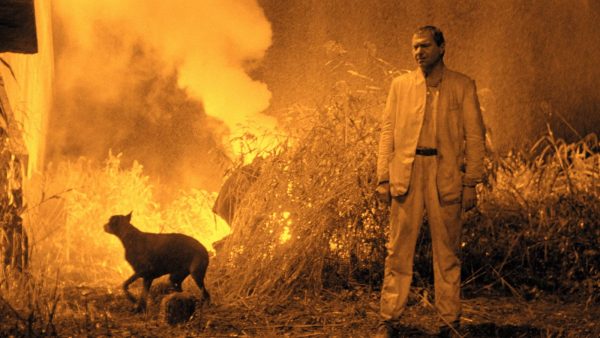
Lars Von Trier’s early career was eclectic and interesting to say the least. Among those, he made a sepia-toned, monochrome noir starring Michael Elphick, a British institution who found himself in an experimental Danish neo-noir. It’s predominantly in English, though.
Von Trier wears an array of influences on his sleeve, perhaps still seeking out his own idiosyncratic voice at this stage. Among his inspirations was Andrei Tarkovsky, not least that sepia colour palette that matches the opening scenes of Stalker. Ironically, Von Trier was told Tarkovsky watched the film and hated it. Elphick is a perfect unconventional protagonist, gravelly voiced and languid as he sweats through a murder case. It might be inconsistent, but the film’s growing legacy after, and the benefit of HD remasters, has turned it into a cult classic.
What’s your favourite Nordic noir? Let us know on our social channels @FlickeringMyth…
Tom Jolliffe