Between Us, 2026.
Directed by Shongo Matsumura.
Starring Ririka Kawashima, Anna Kurasawa, Akiko Kikuchi, Yoichiro Saito, Asami Usuda, Takahiro Miura.
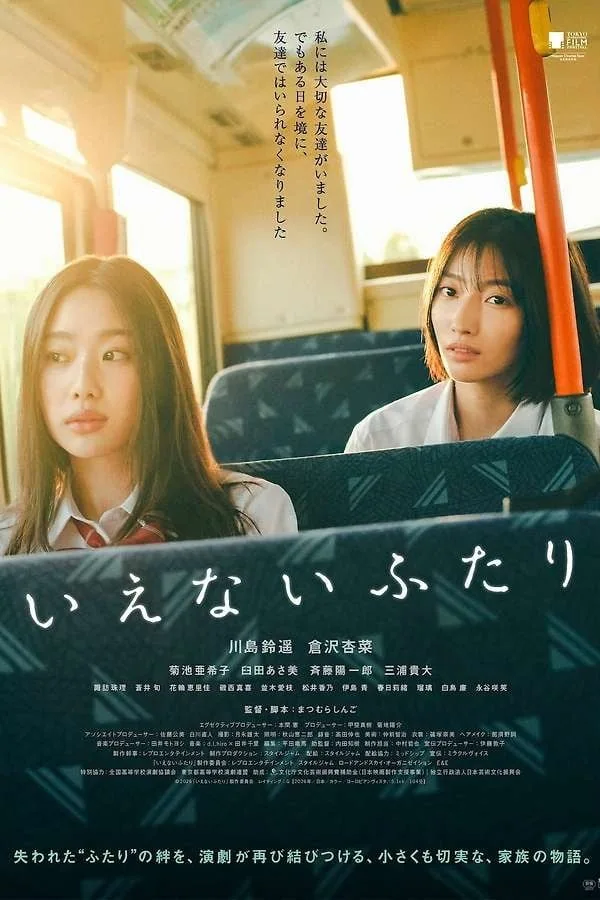
SYNOPSIS:
After growing apart due to a past incident, Makoto and Kasumi meet again in their high school drama club, slowly rebuilding their friendship through acting together.
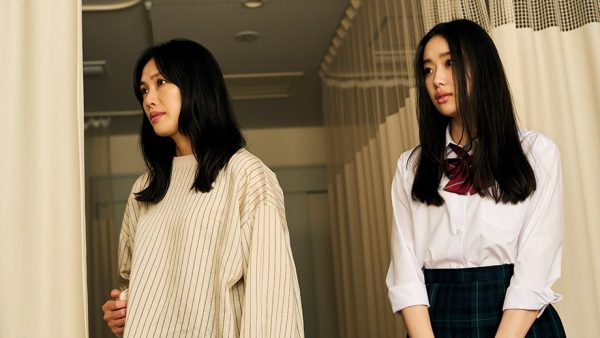
The loss of a loved one leaves deep wounds on those affected. Those affected can be more than just immediate family members; friends can suffer as well. While the wounds may heal, the scars never truly fade, as loss permeates our lives whether we realise it or not. Between Us, the latest film by Shingo Matsumura, explores the healing process of two families following a tragic event. The film powerfully examines how grief changes people and demonstrates that simply “getting over” a loss is not an adequate way to truly heal.
While the tragic event becomes obvious once the scene is set, the film is not concerned with the loss itself but with its aftermath. Many films this year have explored loss and the struggle to overcome it, whether it be Paradise Lost, Sheep in the Box, or even Wildwood. However, what these works have in common is that their characters are still entangled with the actual event that caused the loss and the void in their lives it creates. This fixation leads them to try to fill that void, whether through magic or AI. For the most part, Between Us deals with people living years after a loss, individuals who, to some extent, have addressed that void. Though perhaps “addressed” is too strong a word because does anyone ever truly overcome such a loss?
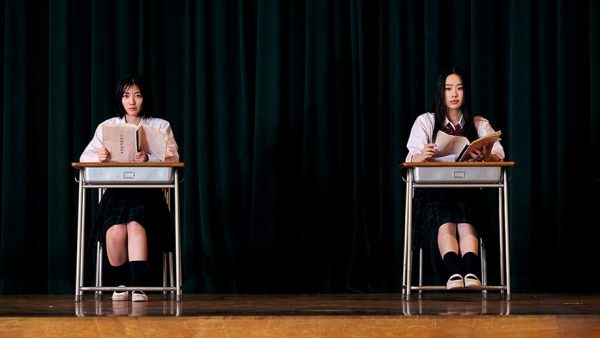
All of the characters are changed by this tragic event. Kasumi (Anna Kurasawa) and Makoto (Ririka Kawashima), once inseparable best friends, barely acknowledge each other’s presence in high school. This is perfectly showcased by the wonderful cinematography. Many wide shots show them in different parts of the frame, showing how close they are but never formally cross paths. This change is explored through the parents of Kasumi and Makoto.
Makoto’s mother, Emi (Akiko Kikuchi), is emotionally fragile and, while she can keep going, seems as though she could break at any moment. Kasumi’s father (Takahiro Miura) is similarly transformed, living under the weight of profound sadness. Even their youngest child notices the change, struggling to draw him smiling when asked to sketch a picture of him. Matsumura subtly establishes each character’s mental and emotional state, allowing us to understand how deeply broken these people are.
So, when Makoto and Kasumi’s paths eventually cross, due to Makoto joining the drama club to strengthen her school application. We are slowly overcome with emotion as we witness the rebuilding of their friendship. The awkward tension between them is genuinely striking, with Kawashima and Kurasawa delivering layered and deeply affecting performances. We believe these are people who think they have moved on from the past, only to discover that they can never truly forget what happened. Instead, they learn that the only way to heal is to come back together.
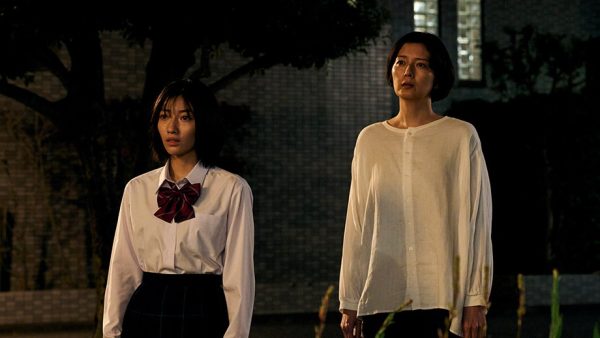
The vessel through which they heal is a play that they adapt to reflect their own lives. Art is, of course, a means through which people can heal, but it is through this performance, depicting two estranged friends rebuilding their relationship, that the parents learn they can follow in their children’s footsteps. At a brisk 104 minutes, Between Us flies by, remaining tightly paced and never overstaying its welcome. Every scene serves the narrative and feels purposeful. Matsumura’s screenplay also avoids many of the typical pitfalls associated with films dealing with grief, allowing the story to remain focused on its central theme: healing.
Between Us is truly a wonderful and powerful film, perfectly showcasing that with a tragic loss, the scars never fade, but we can live with them and truly heal only by addressing what caused the scars to begin with. Along with truly incredible performances and lush cinematography, Between Us is one of the best films of the year.
Flickering Myth Rating – Film: ★ ★ ★ ★ ★ / Movie: ★ ★ ★ ★ ★
Robert Ewing