Nesting, 2025.
Written and Directed by Chloé Cinq-Mars.
Starring Rose-Marie Perreault, Simon Landry-Desy, Saladin Dellers, Marie Bélanger, and Alex Lauzon.
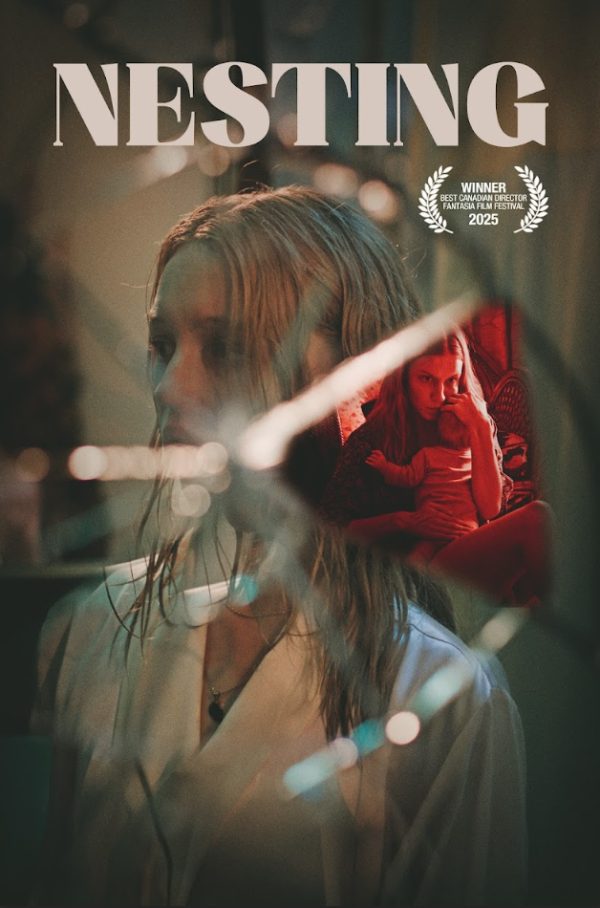
SYNOPSIS:
A young mother struggling with postpartum depression and insomnia becomes increasingly haunted by the traumatic death of her sister, spiraling deeper into psychological turmoil as she tries to care for her newborn.

Inspired by writer-director Chloé Cinq-Mars’ own experiences with post-partum depression, Nesting arrives with the sort of premise that could easily have tipped into either melodrama or full-blown psychological horror. Instead, it spends much of its running time somewhere in between. That’s both its greatest strength and, occasionally, its biggest frustration.
Pénélope (Rose-Marie Perreault) is exhausted… spent. The kind where days blur together and simple conversations start feeling strangely distant. Looking after a newborn has left her running on instinct more than reason, and after a violent incident during a late-night trip to a convenience store, she becomes convinced she has seen her sister Charlotte, despite Charlotte having died years earlier.
What follows isn’t really a ghost story, although there are moments when it threatens to become one. Nor is it quite a mystery. If anything, the film is less about Charlotte and more about everything happening around Pénélope. The endless advice, the subtle judgements, the feeling that everybody seems to have an opinion about motherhood except the person currently trying to survive it.
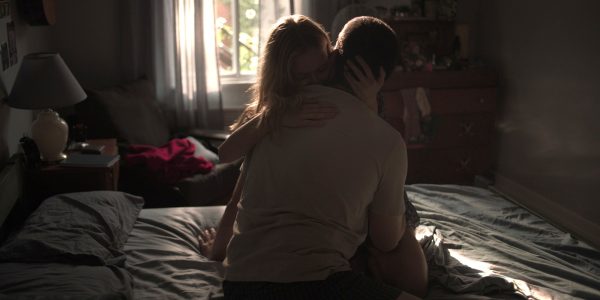
There are scenes involving Gaspard, Pénélope’s husband, that stick more than any of the overtly unsettling moments. Nothing supernatural happens. Nobody is in danger. It’s simply another exchange between two people who have stopped hearing each other properly. The film is full of little moments like that. Arguments that don’t really sound like arguments and conversations that somehow leave everyone feeling worse.
Perreault is excellent throughout. What impressed me most wasn’t the bigger emotional scenes but the quieter ones. She often seems caught between several reactions at once, as though Pénélope is editing herself in real time. There’s a clear mental battle going on as she tries to decide which emotions are acceptable to show and which need to stay buried, desperate not to raise alarm or suspicion.
The film’s portrayal of motherhood feels rather specific. Not because it presents any grand revelations, but because it focuses on details that many films would ignore. The awkward comments from relatives, the loss of routine, the strange sense of becoming a supporting character in your own life. Whether you’ve experienced parenthood or not, there’s something recognisable in that gradual erosion of identity.
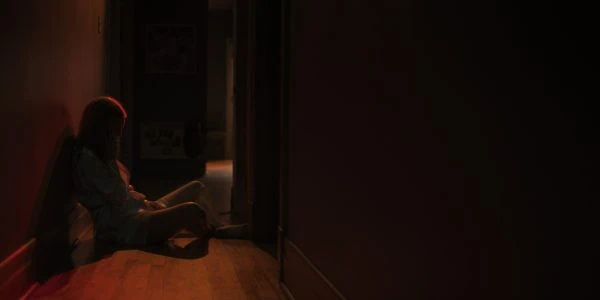
The material surrounding Charlotte isn’t quite so well formed. Maybe that’s because the film seems to approach her from several different angles without fully settling on one. At various points she appears connected to grief, guilt, memory and psychological collapse. All of those ideas are interesting individually, but together, they occasionally pull the film in competing directions.
Then again, uncertainty is built into the film’s DNA as Cinq-Mars rarely offers easy answers. Even when events become increasingly alarming, there’s usually enough ambiguity hanging over everything to make you question what you’ve just seen, and importantly, put yourself in Pénélope’s position.
Visually, Nesting has a certain power to it. Not in a showy way. More in the way certain images seem to drift into scenes unexpectedly and linger there. Some of the flashbacks are particularly effective as they aren’t simply reminders of a happier time. They’re a mixture of nostalgia, regret and the uncomfortable knowledge that life has moved on whether you’re ready or not.
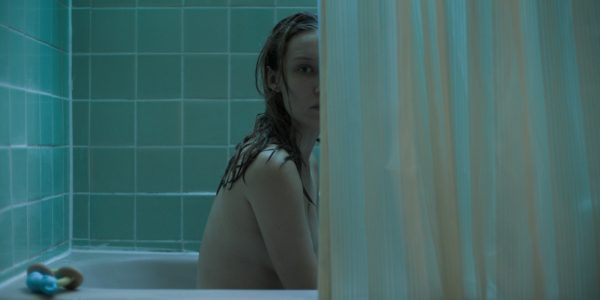
Cinq-Mars could have applied a little more restraint in places. The sound design, especially, occasionally feels determined to make sure we understand how overwhelmed Pénélope has become. There were moments where I wanted the film to trust its lead performance a bit more. Let’s face it, Perreault is already communicating everything we need to know.
That doesn’t take much from the impact of the film though. Though the mysterious, horror elements were effective, what stayed with me most was the image of somebody trying desperately to hold onto herself while everybody else demanded a piece. That’s where Nesting feels most honest, and where it finds its sharpest observations. It’s poignant, difficult to watch at times, but powerful nonetheless.
Flickering Myth Rating – Film: ★ ★ ★ / Movie: ★ ★ ★
Tom Atkinson