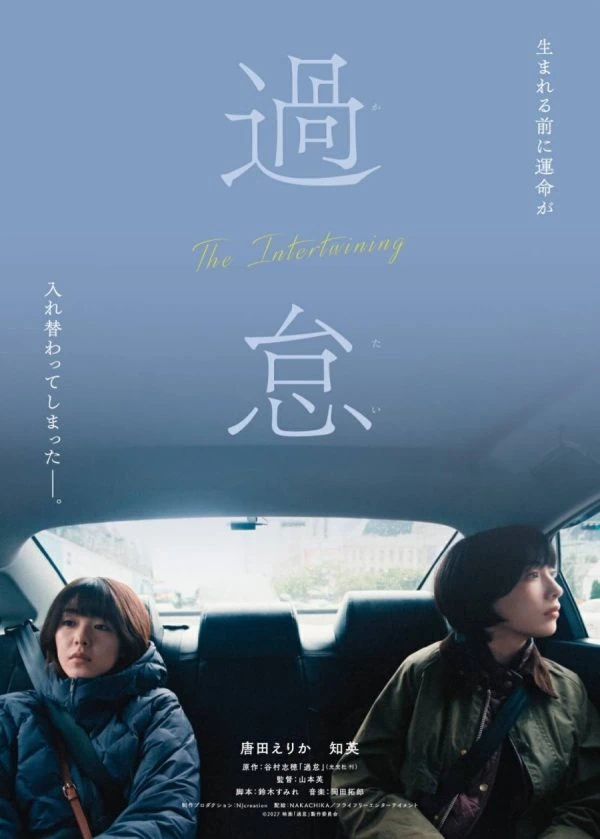
The Intertwining, 2026.
Directed by Akira Yamamoto.
Starring Jiyoung and Erika Karata.
SYNOPSIS:
The fates of two people were switched by an embryo mix-up. A shocking truth leads them to question who they are and begin to search for their own place in life.
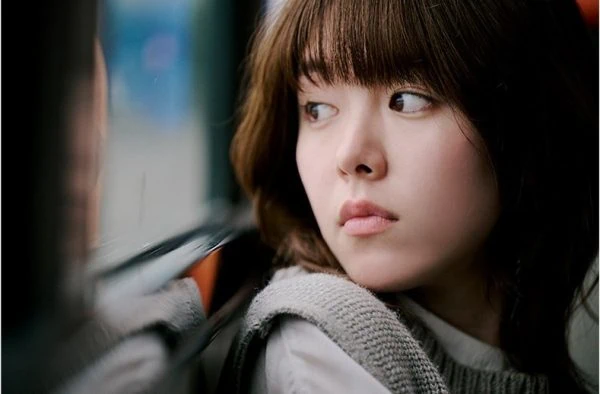
What is family? It is a deeply complex question with no correct answer, and that is the beauty of family. Despite there being billions of people on this earth, and every person’s family dynamic being different, that diversity is utterly beautiful. However, would your life be better if you were raised in a different family? The Intertwining, directed by Akira Yamamoto, explores this hypothesis through a moment of sheer luck that leads Nanako (Jiyoung) and Ji-hyun (Erika Karata) to question who they are. Despite its interesting concept, the film’s slow pacing and lacklustre reveals lead to a fine, but unremarkable, film.
Clocking in at over two hours, the film is a slow and methodical journey, exploring family and identity. That slow pacing is also what hampers the film, as reading any plot synopsis reveals a key plot point that does not occur until more than 30 minutes into the runtime. While this is not inherently a flaw with the film, it does mean that many audience members will know where the story is heading well before the characters do. It creates a strange disconnect, where we are waiting for the reveal to occur rather than being taken on the purposeful journey the film intends.
The Intertwining explores deeply complex issues, such as whether blood relations are what make a family and whether being swapped at birth means you were robbed of a loving and caring childhood. The film offers some interesting answers to these questions, but I feel it is undercut in the third act by its subtlety. It is strange that something being subtle can be a negative, but personally, the vagueness surrounding whether certain characters know or do not know robs us of a truly impactful gut punch that I feel would have solidified the film’s themes more effectively. However, that approach potentially would have opened up more complex moral debates that the film is not trying to explore.
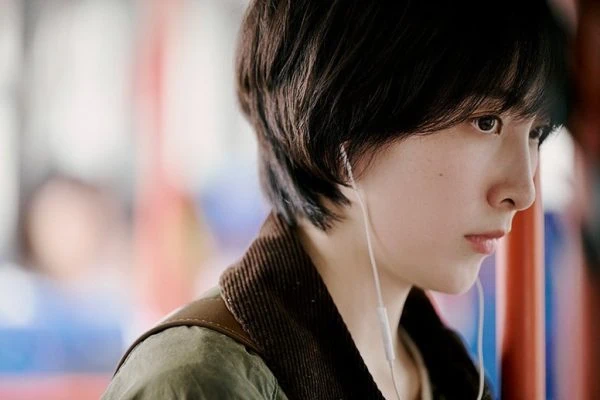
The film is driven by our two leads, Karata and Jiyoung, who are utterly incredible. The way they carry themselves, even down to the way they walk, expresses so much emotion and purpose that, even when we know more than they do, it is hard not to fall in love with these characters and hope that their friendship can overcome this shocking hurdle. From the very first frame, there is a gorgeous humanism to the cinematography, as though we are capturing moments in people’s lives. This allows the film to thrive as a drama and enhance the storytelling on screen.
Akira Yamamoto shows signs of being a promising director, and there is a lot to appreciate in The Intertwining. However, it never comes together as a complete whole, leaving me wondering what the film ultimately had to offer. It is slow and methodical, yet it never feels like the journey justifies the pacing. Still it is still worth watching for the performances alone.
Flickering Myth Rating – Film: ★ ★ ★ / Movie: ★ ★ ★
Robert Ewing