Gen Z takes a lot of heat for the current apathy toward mainstream movies that divide audiences and fail at the box office. But it’s not their fault…
We’ve had some box office dynamite this year, with audiences flocking to see Deadpool’s latest outing and the Xenomorphs up to their old tricks again. Generally, though, the prognosis is not good. A load of sequels and remakes are bombing at the box office. To the millennials who’ve crossed 30 and older, there’s a feeling that studios are too intent on trying to please the younger generations of cinema-goers. Buzzwords like “woke” and “diversity” seem to be predominantly attached to Gen Z and seen by a section of older fans as death knells to cinema.
Likewise, falling box office numbers seem to be attributed (largely by guys over 30 who aren’t going to the cinemas either) to the fact the under-25s have no attention span and are deserting movies in favour of Tik-Toks and short-form content. Statistically, it’s true, with Tik-Tok and similar mostly used by people under 25. There is certainly a cultural and pop cultural shift in what and how we consume visual and audio content. There was a time when people complained that TV was having a negative effect on the cinema industry, that CDs were killing Vinyl and that a little streaming service called Netflix was killing Blockbuster video. Those were all pre-Gen Z of course.

Five years ago a Marvel movie was guaranteed bank and this was largely because audiences wanted to see the movies. It’s not rocket science, some things just capture the zeitgeist whilst others feel like a marketing meeting went awry and execs (disconnected with trends and the average people on the street), have gambled hundreds of millions on a surefire box office dud. Second-guessing audiences is definitely a challenge but too often the lazy route is taken. “Well, they liked the last five Marvel films, let’s make a Dozen and release them in the next three years alongside a bunch of TV shows. We’ll just rush them out.”
Society these days is a hodgepodge of individuality and people from diverse backgrounds. Studios naturally felt a good way to capture all those people was simple, with a representation of them on-screen based on the conceived idea of that identity. We’ve seen plenty of “diverse” characters appear on screen who aside from visually representing a demographic, have no defining character traits because they forgot to flesh out a character. Think Kelly Marie Tran in Star Wars: The Last Jedi for example. The performer then bares the brunt of a predominantly incel backlash. Gee, thanks, Disney.

The point is, even whether you hire a diverse writer/director to helm a movie or show, for the most part in these big projects they’re adhering to a remit or taking a project into places more reflective of them than what audiences might want to see. Or perhaps even more so, is there really an audience for Star Wars now? Gen Z haven’t really taken to it like Gen X or Millennials did. The latter isn’t really interested in Star Wars any more either, and the older die-hard fans are not going to get the rose-tinted nostalgic Star Wars movie they want because frankly, it would be ridiculous.
So studios keep on casting their nets wide across the Zs and millennials mostly but not catching many fish, wasting exorbitant amounts of money in the process. Meanwhile, cinephiles with more varied tastes feel a void that is all too rarely filled with challenging and interesting cinema. When these films are made, they’re also difficult to see on the big screen. Often cast asunder from the multiplexes to find a brief home in boutique/independent cinemas (which aren’t as easily accessible and generally more expensive).
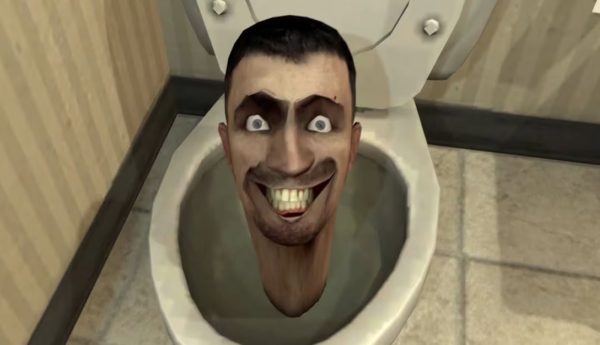
If the more artistically discerning film fan feels like mainstream movies are being dumbed down, they’re probably right but one thing that production companies, studios and distributors seem to overlook is the growing number of Gen Z cinephiles. They’re the antithesis to the generalisation that kids just want to watch people singing Skibidi Toilet on a 10-second Tik-Tok. Movies aren’t the glamorous lure they once were but social change started with my generation and a little older (I’m 43). We were the ones who buried Blockbusters by not going and starting to stay at home to flick through Netflix instead of the cinema, even occasionally when the big screen showed good films.
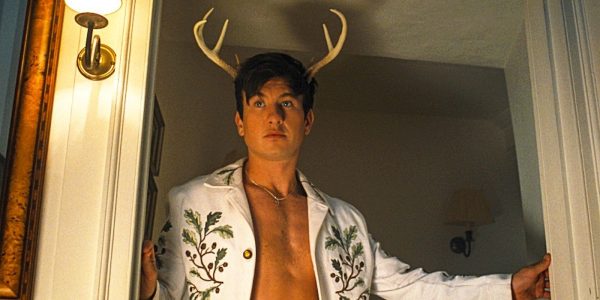
There’s still the chance for indie films to go big, and certainly, Gen Z was a key demographic in helping Everything Everywhere All At Once hit the pop cultural significance it did, and particularly prevalent in the watercooler film of last year, Saltburn. Sadly though, Saltburn’s theatrical run wasn’t given the wide push it deserved. That film effectively took off and was huge on streaming because of word of mouth.

Despite what a focus group might tell you, younger audiences aren’t only interested in comic book films. They want to watch quirky cinema, challenging cinema, indie cinema, and world cinema. No one was going to watch Furiosa: A Mad Max Saga because the audience who dug Fury Road wasn’t excited by the prospect of a Max-less spinoff with a miscast Anya Taylor-Joy. The franchise clearly didn’t vibe with what Gen Z was interested in either, failing to pick up a new audience.
I’ve said it before but hope for cinema, besides more carefully selecting the bigger projects and making films that are less disposable in nature is the way forward. Targeting smaller niches with lower-budget films. The approach has worked with horror, one of the only genres that is experiencing close to a creative boon and some actual cult appeal (Longlegs being the latest). Moaning myrtles over 30 who have already respectfully taken off their caps to pay respects to the corpse of cinema have overlooked salvation. In ten years the whole industry will need a seismic shift in how movies are developed, produced and certainly distributed. The streaming model has effectively made indie filmmaking a barren landscape devoid of money and filled with potless creators because the big streamers don’t want to pay properly.
There is a rise in younger audiences now going back through cinema history to watch older films (and not just to complain about the values in them). In part it’s to broaden their cinematic horizons but perhaps also because in search of great, challenging and genuinely awe-inspiring movies. You’ll find a lot more from the 20th century than you will from the past 24 years. It’s far from a small niche pocket either, with enough genuine young fans out there lusting for good cinema that studios can make quality and lucrative pictures again.
The rising popularity of Letterboxd, which allows film lovers to keep a record of their viewing habits as well as rate and review movies, is quite something. It’s a site, unlike say YouTube or other social platforms where you have no direct earning potential from it. So effectively the members use it for passion and/or enjoyment born of a love of cinema and Gen Z and younger millennials are the main users. These youngens don’t want to be talked down to or patronised, which is something studios trying to cynically milk their demographic can tend to do.

Ultimately, more varied films need to be made. A recent meme showed a slate of movies for 2025, the vast majority of which were sequels and reboots and of which most will likely fail. Sure, we still need blockbusters but we need more affecting and interesting cinema like Aftersun, more contentious films which inspire conversation like Saltburn and the return of sensibly budgeted films. This is what happened in Hollywood in the late 60s with studios utilising bold young filmmakers to attract younger audiences and try to reinvigorate the ailing bloated industry.
To keep cinema going you have always got to be mindful of the younger audiences and target movie lovers rather than just trying to attract a broad section of casual viewers. Cater to those who still love the form and be mindful that the Gen Z cinephiles are more discerning (and smarter) than they’ve been given credit for.
You can check my Letterboxd here and be sure to let us know your thoughts on our socials @FlickeringMyth…
Tom Jollife
Originally published September 15, 2024. Updated April 14, 2025.