Half a century on from its release, Hasitha Fernando looks at the story behind Marathon Man…
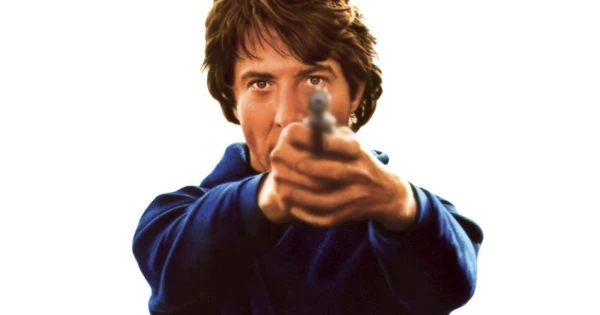
Marathon Man debuted in the decade which saw the release of some of the cinema’s best efforts which include the likes of The Godfather, All the President’s Men, Three Days of the Condor, Chinatown and One Flew Over the Cuckoo’s Nest. But even after five decades the film continues to be remembered for Sir Lawrence Olivier’s villainous turn as Nazi war criminal Dr. Szell and the harrowing torture scene that features his nefarious character. As the film celebrates its 50th anniversary we look at its behind-the-scene story and then some…
William Goldman was paid a princely sum to adapt his own novel to the big screen
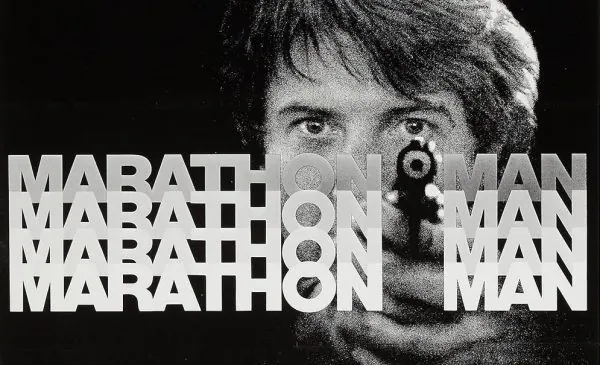
The late William Goldman is often considered one of the greatest screenwriters due to his innate ability to craft brilliant screenplays across multiple genres. Some of his most well-known known efforts include, Butch Cassidy and the Sundance Kid, All the President’s Men, Misery, The Princess Bride, The Stepford Wives and Chaplin. Goldman won two Academy Awards for both Butch Cassidy and the Sundance Kid and All the President’s Men. The conspiracy thriller upon which Marathon Man’s screenplay is based on was also penned by Goldman and he was reportedly paid a whopping $500,000, which is equivalent to $3.26 million in 2025, for the movie rights to his novel and to craft the screenplay. Goldman estimated that he wrote around four versions of the script but the producers brought in Chinatown scribe Robert Towne to do an uncredited rewrite for the climax of the film.
There were several changes made from the book to the shooting script
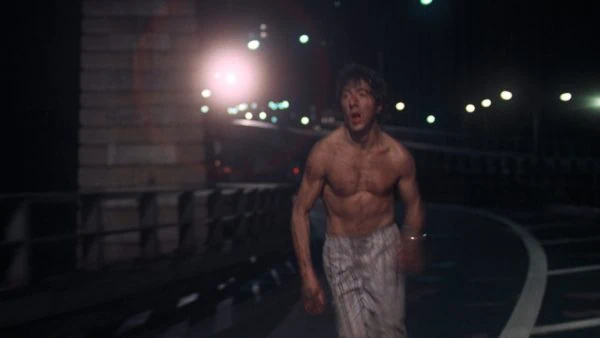
Although Goldman adapted his own book to the big screen there were several changes that took place during this transition. In the book Thomas Babington “Babe” Levy used to regularly run because he was training for the New York Marathon, but in the screenplay he is simply portrayed as an avid runner, with less emphasis being placed on him competing marathons. The character dynamics of the duplicitous Elsa Opel, who plays Babe’s love interest in the film, was also altered from the books to mirror a more realistic relationship instead of going for a Mata Hari-esque route. The secret government agency (“The Division”) which is involved with the clandestine operations of the ex-Nazis is explored in greater depth in the novel while the film uses paranoia to craft the atmosphere. The climax of the movie was re-written completely by Robert Towne at the request of lead star Dustin Hoffman, which didn’t sit well with Goldman.
John Schlesinger thought his career was done before he helmed Marathon Man
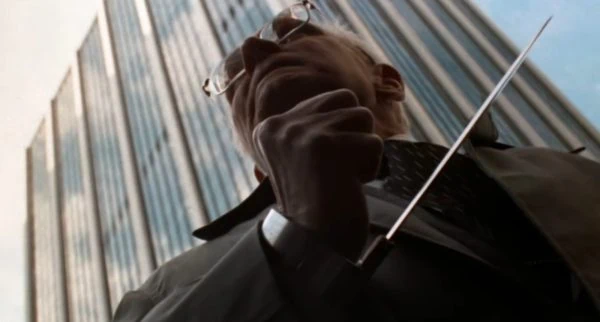
John Schlesinger was at the forefront of the early 1960s British New Wave movement which in turn was influenced by the French Nouvelle Vague that emerged in the late 1950s. Schlesinger started his career making kitchen sink dramas like A Kind of Loving and Billy Liar. In 1969 the talented filmmaker won the Academy Award for Best Director for Midnight Cowboy, which also co-starred Dustin Hoffman. After completing the ambitious satirical historical drama The Day of the Locust, Schlesinger was “terrified he was dead in Hollywood” and that his career was done, but as it turned out Marathon Man proved to be another bona fide hit for the filmmaker.
Most of the actors originally envisioned for their roles ended up being cast
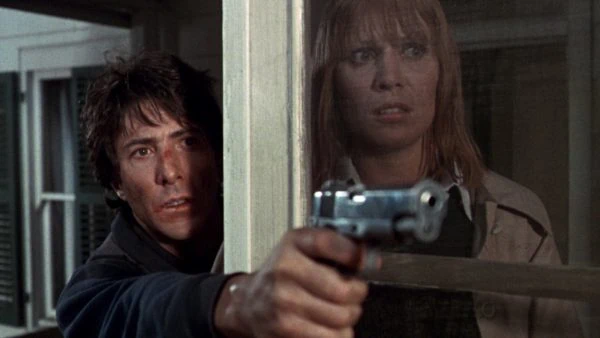
Once John Schlesinger boarded the project as its director he envisioned a very specific cast that matched the roles of Goldman’s screenplay. The star-studded ensemble cast that he envisioned was Al Pacino, Julie Christie and Laurence Olivier. Now, Pacino had always wanted to work with Christie, whom he claimed was “the most poetic of actresses”. However, producer Robert Evans, who also worked on Francis Ford Coppola’s The Godfather disliked the actor and favored Dustin Hoffman instead. Christie, who was notorious for being finicky about the roles she accepted, turned down the part, which was then nabbed by Marthe Keller. In the end, only Laurence Olivier eventually ended up being part of the original cast Schlesinger envisioned. But in Evan’s case every actor he originally envisioned ended up being cast.
Dustin Hoffman took the marathon runner aspect of his character quite seriously
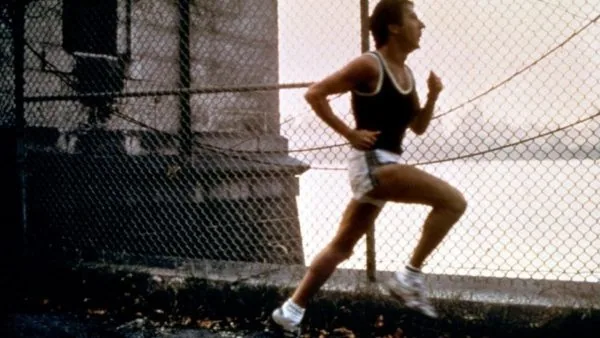
Considered one of the greatest actors of his generation Dustin Hoffman boasts one of the most prolific careers of all time. Defying the established “tough guy” male personas of his era, Hoffman crafted complex, emotionally vulnerable characters that connected with audiences the world over. Known to be an intense perfectionist and for being a method actor by nature, some of Hoffman’s career highlights include Midnight Cowboy, Kramer vs. Kramer, All the President’s Men and Rain Man. For his role as Thomas Babington “Babe” Levy, Hoffman lost fifteen pounds and ran up to four miles a day to get into shape for playing the enthusiastic marathon runner. The actor would never come into a scene faking being out of breath. He would actually run for a half-mile so that he came into the scene, actually out of breath. Now that’s some next level bit of method acting.
Laurence Olivier was suffering major health issues during the shoot
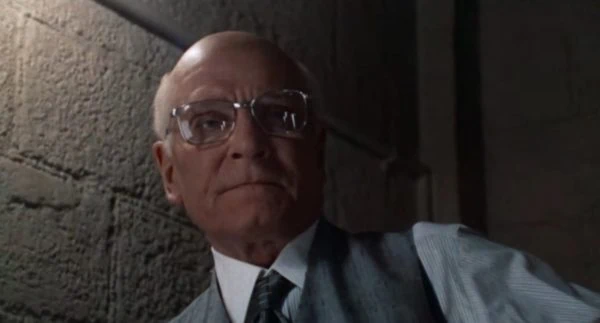
A legendary British actor, producer and filmmaker, Laurence Olivier is widely considered one of the most influential artists of the 20th century. Hailing from a background in theater and stagecraft Olivier gained international fame for his portrayal of Heathcliff in the 1939 film Wuthering Heights, opposite Merle Oberon and David Niven for which he received his first Academy Award nomination. After receiving a number of Oscar nominations, Olivier won his first golden nudie for 1948’s Hamlet which he directed and starred in. Marathon Man saw the actor receive his first and only Oscar nomination in the Best Actor in a Supporting Role category for his role as the ruthless Nazi war criminal Dr. Christian Szell. Olivier was suffering from several health issues when he was cast in the film. Chief of which was his prostate cancer, for which he was on heavy doses of steroids and painkillers. This intense drug regime had a tremendous impact on his short term memory and to work around this problem director John Schlesinger broke down his character’s dialogue into small, one-or-two line increments which proved to be a manageable compromise for the ailing thespian. In spite of the limitations Olivier had, the fact that he managed to dish out one of the most chilling and memorable performances in 70s cinema speaks volumes about his tremendous gift as a performer.
About that Dustin Hoffman-Laurence Olivier controversy
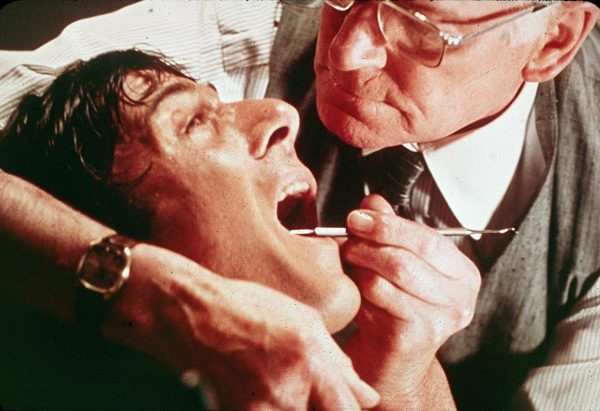
During The David Letterman Show, where Dustin Hoffman and Robert De Niro were present to promote 2010’s Little Fockers, Letterman asked Hoffman about the infamous Laurence Olivier incident which took place during the production of Marathon Man. The incident in question involved a disheveled Hoffman who was known for his method acting approach, being asked by Olivier why he looked the way he did. After Hoffman revealed the reason, Olivier replied in jest “Why not try acting? It’s much easier”. During the show Hoffman added more context to what actually transpired. It was the morning he and Olivier were supposed to shoot the infamous torture scene and Hoffman had not slept properly the night before for a number of reasons. Firstly, Hoffman was going through a divorce from his first wife and that took a toll on his mental health. Secondly, those were the days of Studio 54 when drugs were easily accessible and extravagant events which encouraged sexual hedonism was the norm and Hoffman had been on a bender for multiple nights. As someone who came from a traditional background in stage acting, Olivier frowned down on the method acting approach taken by younger actors in his day and this was the reason for that jestful jab at Hoffman prior to shooting the torture scene.
Some scenes were removed from the film due to their graphic violence
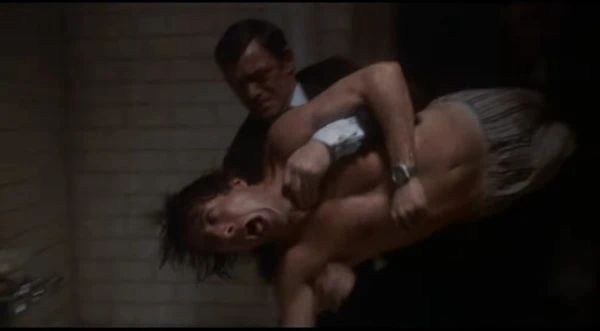
Although considered tame by modern standards several scenes of the original cut of Marathon Man were edited out after test audiences found the level of violence too extreme. One of these scenes involved an 8.5 minute sequence of Roy Schieder’s character Doc brutally beating two assassins in an airport bathroom. Portions of the infamous torture scene which concern Olivier and Hoffman’s characters were also edited to tone down the overall graphic nature of the sequence.
Marathon Man was the first theatrically released movie to use a Steadicam
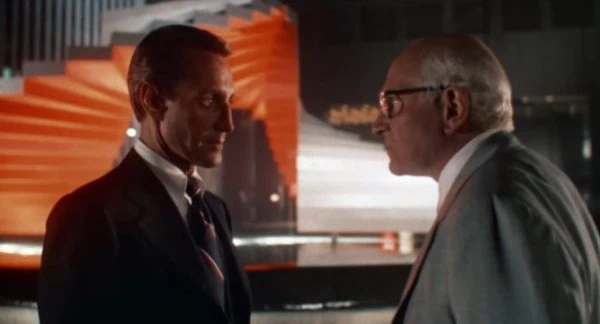
The Steadicam, which was invented by cinematographer Garrett Brown in 1975, revolutionized the film industry by allowing its operator to capture tracking shots smoothly without the use of tracks or heavy dollies. The uneven, jerky movements of the Steadicam operator never affect the quality of the tracking shot as the complex system uses weight distribution and balancing mechanisms to make the camera feel weightless and easily maneuverable. Marathon Man was the first movie to utilize the Steadicam technology that saw a theatrical release. Brown first used his invention on 1976’s Bound for Glory, but Marathon Man debuted first theatrically.
Box-office success, critical acclaim, awards wins and an enduring legacy
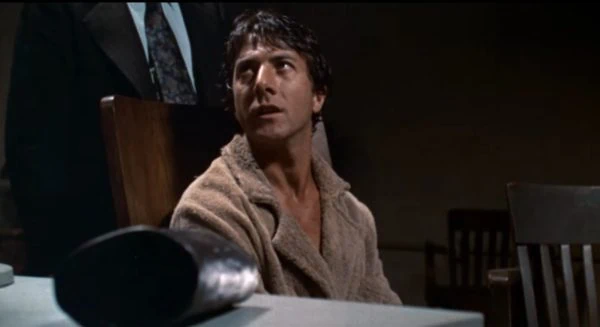
Made on a budget of $6.5 million, Marathon Man went on to make a respectable $28.2 million at the worldwide box-office. As of writing, the movie holds an approval rating of 82% on review aggregator site Rotten Tomatoes, based on 49 reviews and an average rating of 7.4/10. The critical consensus of the website sums up the movie in the following manner, “Marathon Man runs the gamut from patient mystery to pulse-pounding thriller, aided by Laurence Olivier’s coldly terrifying performance and a brainy script by William Goldman”. During awards season Laurence Olivier’s performance garnered much-acclaim around critic circles and bestowed him with an Academy Award nomination in the Best Supporting Actor category as well as a winning a Golden Globe Award in the above category. Hoffman too received praise for his compelling performance and got nominated in the Best Actor category at the BAFTAs and Golden Globe Awards ceremonies.
In a decade that saw the release of such heavy-hitters as The Godfather, Taxi Driver, Apocalypse Now, Three Days of the Condor, Chinatown, All the President’s Men and One Flew Over the Cuckoo’s Nest, the fact that Marathon Man was also able to be unforgettable truly is a testament to the talent of its director and cast members. One of the key reasons it remains a must-see of the 70s can simply be boiled down to Sir Laurence Olivier’s terrifying performance as Dr. Christian Szell and how director John Schlesinger weaponized a universal real-life fear of visiting the dentist into a situation of pure, unadulterated horror. Because of this Olivier’s Dr. Szell was ranked #34 on American Film Institute’s “100 Years… 100 Heroes and Villains” list and his chilling quote “Is it safe?” uttered repeatedly as Szell drilled Babe’s tooth without an anesthetic was ranked #70 in the “100 Years… 100 Movie Quote” list.
What are your thoughts on Marathon Man? Let us know on our socials @FlickeringMyth…
Hasitha Fernando is a part-time medical practitioner and full-time cinephile. Follow him on Twitter via @DoctorCinephile for regular updates on the world of entertainment.