Club Kid, 2026.
Written and Directed by Jordan Firstman.
Starring Jordan Firstman, Reggie Absolom, Diego Calva, Cara Delevingne, Kirby Howell-Baptiste, Colleen Camp, Vicki Pepperdine, Nigil Whyte, Eldar Isgandarov, Saturn Risin9, Miss Benny, Alaska Riley, Shygirl, Kandy Muse, Jack Cameron Kay, Edy Modica, Ruby McCollister, Ellie White, Franc Ashman, Tanner Devore, Isobel Fox, and Angela Fornero.
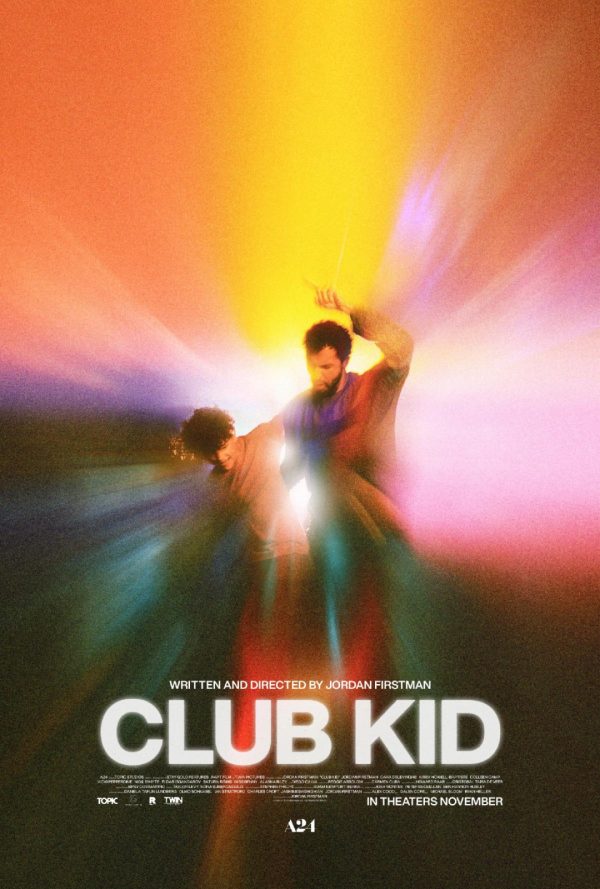
SYNOPSIS:
A hard-partying New York City club promoter sees his whirlwind lifestyle upended by the arrival of the 10-year-old son he never knew he had.

As far as unofficial, uncredited but undeniably similar, possibly inspired remakes go, producer/star/writer/director Jordan Firstman’s Club Kid charms while reminding of Adam Sandler comedy Big Daddy, but what if set in the LGBTQ club scene of New York City, where nearly every character but the child is a drug addict desperately in need of maturing and sorting out their lives. At times, the general plot details elicit such a stark remembrance that you might half expect a homeless Steve Buscemi to pop into frame begging for a McDonald’s Sausage McMuffin while the kid practices skateboarding tricks near the park.
Yes, one wonders how Jordan Firstman got away without at the very least acknowledging that admittedly much sillier comedy that eventually transcended Adam Sandler’s usual shenanigans into a tearjerking emotional force, or if he has even seen it and if it’s all coincidence, but in this case, the mark of an upcoming filmmaker to keep our eyes on is the ability to twist the major beats of that story (and there are significant tweaks here and there) into his own with keen insight into this scene. As such, one would also be interested to know how semi-autobiographical this lifestyle depiction is. Similarly, Club Kid also has an emotional punch in store, with an original, fresh perspective.
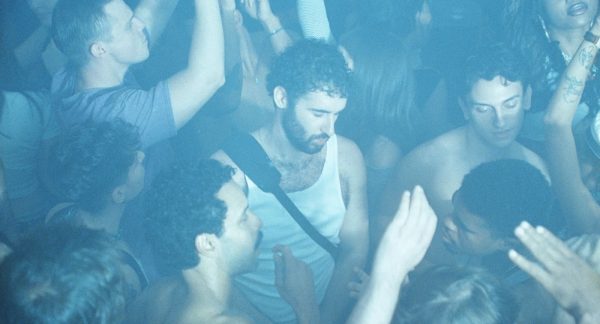
Much like the filmmaker is a multi-hyphenate of undeniable talents, the title also has a multilayered meaning in that young adult Peter (Jordan Firstman), who isn’t so young anymore, is still partying like a club kid, regularly taking hard drugs and blacking out most nights, unable to operate during business meetings alongside functioning coke head and business partner Sophie (Cara Delevingne) regarding the parties they throw inside a well-established nightclub. It’s also a reference to the intentionally disorienting prologue in which Peter, who insists he isn’t bisexual, ends up procreating a child in a drug-addled haze. The third meaning is that when Arlo (impressive newcomer Reggie Absolom) is unexpectedly dropped into Peter’s life, it turns out he has an interest in DJing, which is encouraged with brief stints at the club before the drugs and public displays of sexual activity begin.
And while the film is about the messiness of being thrust into fatherhood while currently a mess, it’s just as much about not only getting one’s life together, but breaking the habit of an unhealthy, irresponsible lifestyle and trying to push back against the peer pressure keeping them stuck in that rut, now generally surrounded by younger people living it up in the party stages of their lives. That’s also not to knock or disparage people who party and experiment with drugs, but that at a certain point it will hit like a tidal wave that it’s time to stop, yet simply doesn’t for some, typically those who don’t have much going on in their lives. A relatively conservative angle could also be that having or caring for a child is a blessing that instantly makes someone get their shit together, which is hard to argue against here, as the story feels bracingly authentic.
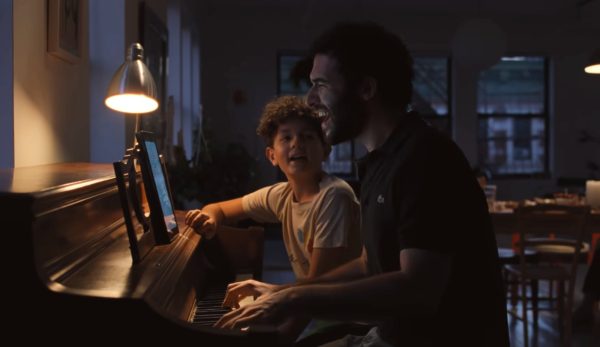
There are also some relatively dark circumstances behind why Arlo is being brought into Peter’s life now, with no prior knowledge of the child’s existence. Brought over from London by family friend Edison (Kirby Howell-Baptiste), who also has issues with partying and drugs, tragedy has befallen Arlo’s mother. She is dead, and since the stepfather is physically abusive, full custody is essentially being dumped on Peter. That said, there is a dark undercurrent about the importance of mental health that feels like a loser in the battle between heartwarming humor and bonding vs bleak reality. Even Arlo, who is otherwise precocious, calm, and empathetic, has a moment where he starts mauling a boy his own age for unclear reasons, which could also signify some underlying anger issues, except it’s a plot element that is dropped and never brought up again.
Nevertheless, Club Kid convincingly sells the moving father/son dynamic as they both search for purpose and happiness. Some elements feel convenient, such as Peter possibly developing a relationship with a social worker played by Diego Calva, and there are welcome additions, like a supportive LGBTQ friend group regularly stopping by. It also bears mentioning that Peter already lives with an aspiring but financially struggling gay philosopher (Eldar Isgandarov) he is offering space to, who behaves like a child more than the well-behaved Arlo, which makes for an amusing dynamic that is mined for even more ridiculous laughs in what feels like it could have been a subplot in any Adam Sandler movie.

This is a film, though, that is first and foremost about Peter figuring out his life and putting a stop to self-destructive habits or a lifestyle he has outgrown. At times, the edge it brings to the table gets sanded off quickly, but Club Kid is still emotionally affecting and adorably funny (giving the boy an F-bomb pass turns around to bite him in the ass fast) as it charts its own course.
Flickering Myth Rating – Film: ★ ★ ★ / Movie: ★ ★ ★ ★
Robert Kojder