James Osborne reviews the final season of Better Call Saul…
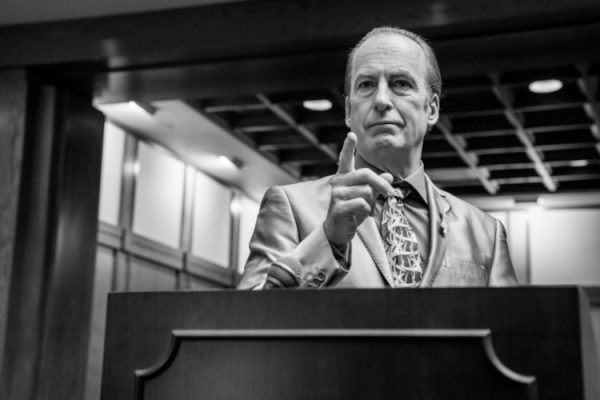
So, it’s Saul over.
With the end of Better Call Saul’s sixth and final season, the universe created by Vince Gilligan (which started back in 2008 with Bryan Cranston armed with nothing but a saggy pair of y-fronts and a revolver) has concluded. To bring an end to not just one, but two beloved series, widely regarded as some of the best TV in the history of the medium, was a titanic responsibility. In what can only be regarded as some kind of minor miracle, Better Call Saul ended up being a nearly flawless conclusion.
The final season of the series can be broken up, quite neatly, into three main chunks. First, the progression of Jimmy and Kim’s anti-Howard campaign, and the end of Nacho’s betrayal of the cartel. Then, the execution of the plan (and, the execution of Howard). And, finally the resolution to the post-Breaking Bad timeline with Gene Takovic transforming into his Saul Goodman persona once again.
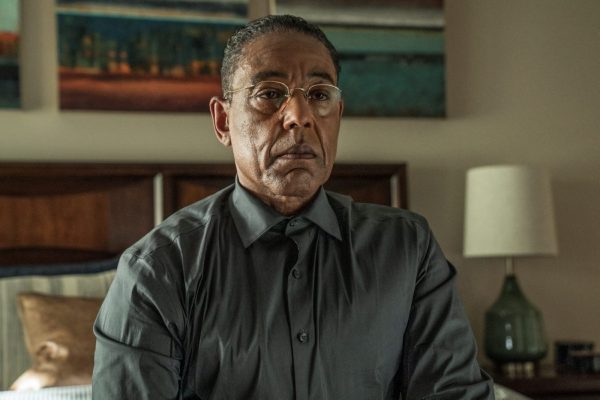
Throughout Better Call Saul’s six seasons, the cartel storyline, fronted by Nacho, Mike, and Gus, was never exactly blistering. Here, the final season took the best possible route, and ended it with speed and precision, recognising that this was the one element of the series that was beginning to overstay its welcome. Nacho, the show’s primary supporting character, was dead and buried within three episodes, and rarely mentioned again. Focus was then able to shift almost entirely to the show’s co-leads and their entanglement in the machinations of Lalo Salamanca.
In the episodes that followed, the progression of the plot was – at times – glacially slow. The development of the scheme against Howard Hamlin seemed to take an age, and like the rest of the season, could be criticised for being too reliant on tiny glimpses of background objects or characters from seasons previous. But, this unwillingness to compromise, or take an easier, more audience-friendly route is also Better Call Saul’s standout strength. The series has always told its story its own way, unburdened by any concern for the audience, and whether or not they can keep up. This final season doubled down on that tendency more than ever. It’s such a rare thing for a TV series to trust in its audience’s capacity for patience, and awareness. If anything, Better Call Saul can almost overestimates this: and what a pleasure that is.
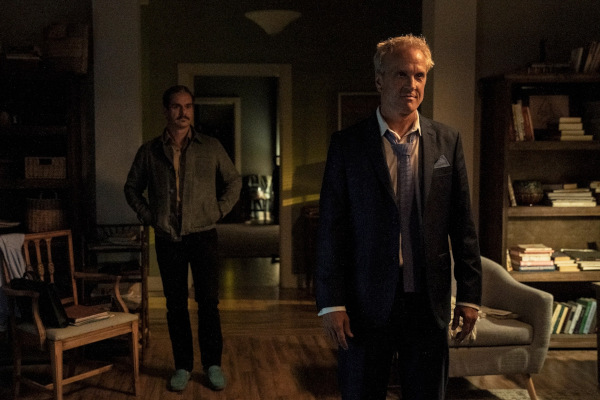
The middle block, with the death of Lalo and Howard, the aftermath of this, and Jimmy’s complete transition into the Saul Goodman persona, flew by at a breakneck speed. Howard Hamlin’s presence especially was a highlight during this section, and he was utilised in a completely unexpected (though no less believable) way. Having been on the peripheries of Jimmy and Kim’s schemes, he was finally pulled in just a fraction too close. All of the performances from the actors this season have been career-bests, but it was Patrick Fabian who stood out as genuinely exceeding what he was given to work with – and he was given a lot. He brought pathos and empathy to a character who began Better Call Saul by being so unlikeable, outshining all with whom he shared the screen.
Finally, as the show turned its attention to the post-Breaking Bad world, it had the confidence to shift down in gear and take it slow. In the end, it had a more sophisticated structure than Breaking Bad’s final season, which started fast and simply continued to accelerate right through until the end. It didn’t need to do anything shocking or outlandish, as so many finales feel compelled to do, and instead simply just stuck to its guns, and brought the plot and its characters to their natural conclusions with a remarkable self-confidence.
The final season took its own time, completely unwilling to compromise, bow to expectations, or force itself into any unnecessary box. Instead, the season’s story unfolded organically, with moments of incredible drama being countered by the completely standard and mundane. The final season was, then, what Better Call Saul has always been: a prequel, and a sequel, that stands completely on its own feet, with its own fierce identity. Part of that identity has been defined by the score, provided by Breaking Bad alumnus Dave Porter, and the cinematography, which is always stunning and can’t be left without praise.
Amongst all this, the season committed to the additional responsibility of trying to fit in a plethora of cameos without disrupting the fine balance of the story. Walt, Jesse, Marie, and Chuck all returned – albeit only in very small roles – to recontextualise the events of Breaking Bad, to remind the audience of the impact of Saul’s wrongdoing, and to emphasise how our characters ended up in such dire circumstances.
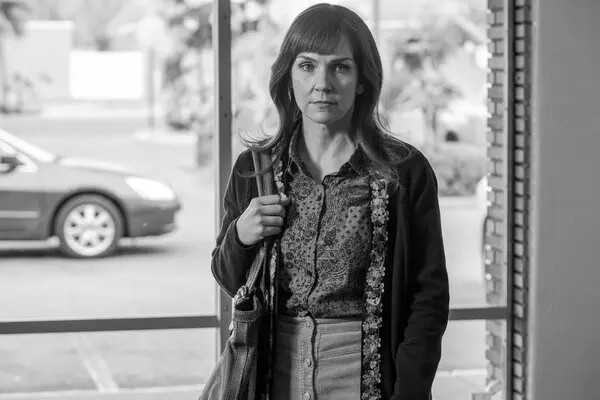
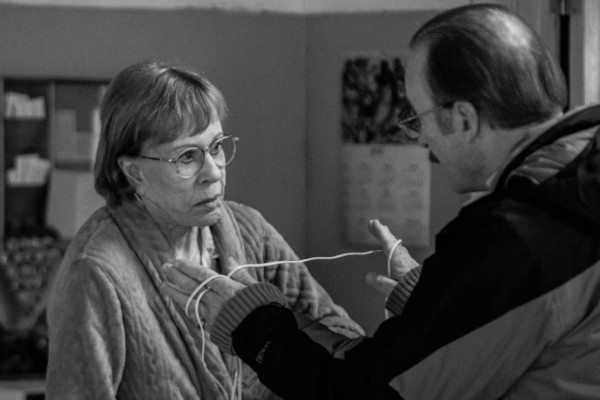
Marie’s cameo role in the finale was perhaps the most natural, and was the only one that felt like it was completely necessary. Seeing Marie sucked into the world of Saul and Kim, framed in the black and white without her iconic purple, was a stark reminder of why Saul was in court, and the devastating impact he’d had on the lives of those around him. Similarly, the return of Chuck McGill, in the final minutes of the season, was an emotional reminder of where Better Call Saul began, and the extent of the journey the characters have been on.
The appearance of Walt and Jesse were much less necessary, though they undoubtedly had their own appeal and their roles weren’t without merit. However, if any moment pushed the boundary between a deserved cameo and fanservice, it was the meeting of Kim and Jesse. It was the one cameo scene that required the suspension of disbelief, relying on convenience and coincidence. And yet, it was undeniably fun to watch, and the fact that it’s the only cameo scene that can really be criticised is something of an achievement itself.
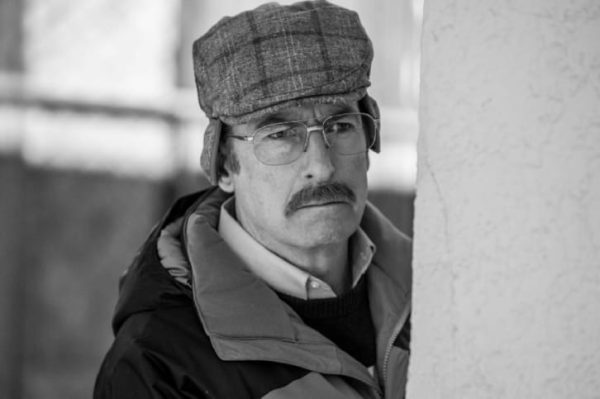
It’s almost impossible to recall that Better Call Saul started as a fun, light-hearted legal drama about the conflict between two brothers, stuffed with moments of comedy along the way. At the outset, the audience watched Jimmy McGill strive against odds that were stacked against him, using his graft and natural flair for performance to tip the scales of justice in his favour. But, with its nods here and there to the aftermath of Breaking Bad, it was always going to have to be more eventually.
And yet, no one could have anticipated the extent to which the show itself would transition into a series just as dark, just as challenging, and just as thematically rich as its mighty predecessor. Each character got precisely what they deserved, and we got more than we ever could have expected. In the end, Better Call Saul was nothing short of a triumph.
James Osborne