George Chrysostomou on nostalgia…
Upon reading Anghus Houvouras’s piece on why everyone is hating on Ready Player One, a key theme of his argument really hit home – it struck me that there really ise a lot of nostalgia in the current crop of films and TV shows. Now, I know that this has always been present. Every sequel will hit some sort of memory point that make you swoon at the sight of a character, object, location or very obvious reference. In a world of merchandise and interlinking universes, nostalgia for what paved the way is openly celebrated in every opportunity.
We have come to a point where film series have gone on for so long we can feel nostalgia by the most recent instalment. The final scene of Harry Potter and the Deathly Hallows – Part 2 blares out the whimsical music that we first heard when Harry stepped foot on platform 9 and 3/4 all those years ago, the Hogwarts Express roaring in the background as students run straight at a brick wall. Anyone who didn’t feel a real sense of deja vu and didn’t have a single tear in their eye, quite frankly didn’t grow up with the Hogwarts gang. To be able to go through a film series so long and well developed that the final scene can actually produce nostalgia that isn’t simply a call back, is quite remarkable.
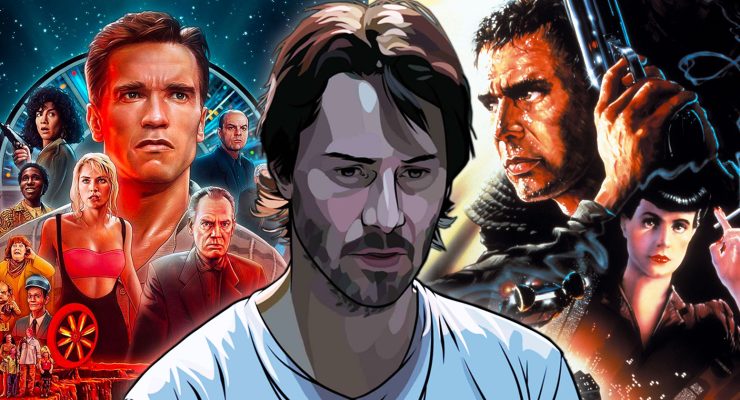
Of course, many other franchises can achieve this feeling. Our cinema history is so rich that bringing back an old classic like Blade Runner or Ghostbusters (no matter your views on the reboot) is sure to get someone’s hair to stand on end. Ten years on from Iron Man, we’ll be feeling a very similar thing when Avengers: Infinity War rolls around; the now iconic theme already producing goosebumps in the trailer. And there’s no more relevant example than the chill one gets when the words “A long time ago, in a galaxy far far away…” flashes across the screen, accompanied by the iconic John Williams fanfare.
Our television programmes too, rely on a certain sense of what its history has built up. Game of Thrones and Doctor Who are two shows that although very different genres, have managed to create a sense of identity through the amount of content and sweeping narratives, that ultimately, can result in shocking moments with returning characters and references that pay off in a big way. Jon Snow’s mother being revealed in the first season for instance would have seemed a minor plot point, but seven seasons on and it was one of the reveals of the season. The return of Davros, the creator of the Daleks, was a moment that got Doctor Who fans buzzing, with the character having been around in the original run of episodes many years ago.

As I start to list off examples, it becomes clear that there are three types of nostalgia, two of which are quite puzzling. The first is self referential – when a film of TV series will create its own lore and imagery and then refer back to it, creating a sense of nostalgia and making it feel like the narrative has come full circle. This can also include reference to other materials, such as the source material, spin-off books/ games etc., and is done for a story purpose. This can include the return of characters, or links to locations – i.e. the return of hot pie for a quick cameo in Game of Thrones.
The second type of nostalgia, is also somewhat self-referential, but in a more meta way. This is the fan service, where relics of the past are wheeled out for a cheer. The Millennium Falcon finally flying back onto the screen because how could you have Star Wars without it, is one such example. Khan being Khan in Star Trek: Into Darkness, just for the sake of a name drop that has no meaning to casual watchers, is another such example. These inclusions and references could be moved about for different characters, or vehicles or locations, but are simply there to give audiences a sense of history and move them in a very easy way. It’s sometimes a cheap trick to add drama when there is none.
The third and most intriguing is the referential pieces, which reference other nostalgic material from film and pop culture history, in order to achieve much the same effect as the previous entry – or to give people a sense of emotional depth and connection to the characters in a story, that share the same nostalgia. Stranger Things is the current perfect example of this. The references to a time period that many feel a connection to, whether they share the love for the films of the time, the music or the fashion, is a powerful thing to link a series to. With every passing episode, the nostalgia pit is dug deeper, the second season even bringing out the Ghostbusters costumes and theme to try and link it to evoke the classic comedy. The reason that this type of nostalgia – and to an extent the second type – is so intriguing, is that for those who have not lived in the 80’s for instance, what are they feeling nolstalgia for?
The fact that our culture has put these pop icons on a pedestal has seeped into every subsequent generation, each time enthralling audiences, no matter the age or year, and sticking in their memory. What would be interesting to know amongst the teens who have watched Stranger Things and have loved the Ghostbusters references, is whether they have watched Ghostbusters at all, or whether they are simply feeling nostalgic because pop culture has told them to?
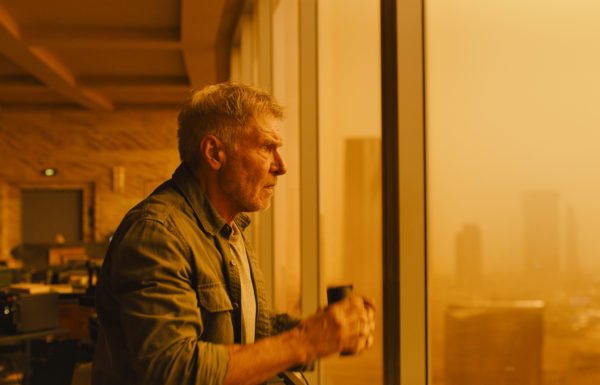
Blade Runner: 2049 clearly wasn’t as secure in pop culture as we thought, much like Terminator reboots, with very few people actually getting excited about its return. So what allows for the seal of greatness, to make us feel this nostalgia, and how do all of these film and pop culture classics keep remaining a source of nostalgia for each generation? It is my theory that you no longer have to watch the films that are being referenced but simply watch the films that are doing the referencing to get a sense of nostalgia these days. The more something gets referenced, the more heavily ingrained into pop culture it becomes, and the more we’ll feel the chills the following time we catch a reference. Perhaps that is the cheapest emotional trick of all.
George Chrysostomou
Originally published December 31, 2017. Updated April 16, 2018.