Joseph Jenkinson with five Pixar movies that deserve a sequel, and five that need left well alone….

There was a time when Toy Story stood alone as Pixar’s only sequel. For years, the studio built its reputation on creating imaginative, self-contained stories that rarely needed revisiting once the credits rolled. Since the 2010s, however, characters such as Lightning McQueen, the Parr family and Riley’s emotions have all returned for new adventures. The recent success of Toy Story 5 has only strengthened Pixar’s appetite for expanding its biggest franchises. With Incredibles 3, Monsters, Inc. 3 and Coco 2 all in various stages of development, the studio’s sequel era shows no sign of slowing down.
The good news is that Pixar has generally proven better than most at continuing its stories without losing the heart that made audiences fall in love with them in the first place. Even so, not every film is crying out for another chapter. This list isn’t a ranking of Pixar’s best or worst films, but rather an assessment of which stories still have meaningful places left to go. With that in mind, let’s first discuss the five Pixar films that deserve a sequel…
5. Toy Story

Including Toy Story 6 may feel like cheating given that Toy Story 5 has only just arrived in cinemas, but Pixar has already dropped enough hints to make another sequel feel like a genuine possibility. While nothing has been officially announced, director Andrew Stanton recently described Toy Story 3 as “the end of the Andy years,” suggesting that the movies since then were part of a second trilogy centred on Bonnie. If that’s the case, a sixth instalment would be the natural conclusion.
More importantly, Toy Story 5 has demonstrated that audiences still have an appetite for Woody, Buzz and the gang. The film proved both a critical and commercial success, earning strong reviews while becoming one of Pixar’s biggest box-office hits in recent years. After three decades, the studio has somehow continued finding fresh emotional ground without undermining what came before.
Should a sixth film happen, it should avoid simply inventing another reason for the toys to become separated. Instead, it could embrace the idea of Bonnie growing older, much like Andy before her, allowing the series to explore another stage of childhood from a different perspective. Few franchises have evolved as naturally as Toy Story, and if Pixar truly intends this to be a new trilogy, then giving Bonnie’s era a satisfying conclusion feels like the logical next step.
4. A Bug’s Life
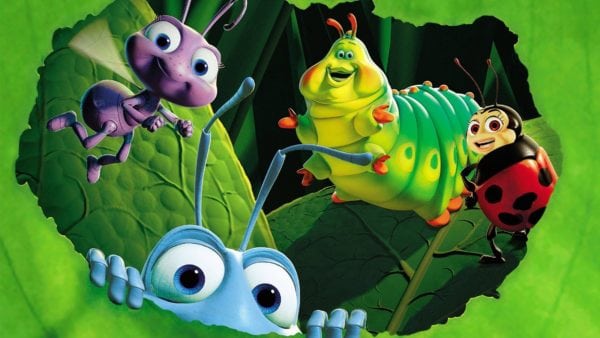
A Bug’s Life occupies a curious place in Pixar history. Released between Toy Story and Toy Story 2, it has gradually become one of the studio’s most overlooked films despite its charm, memorable characters and imaginative setting. That alone makes it an appealing candidate for a long-overdue sequel, particularly now that advances in animation could make its miniature world even more breathtaking.
By the end of the original film, Flik has finally earned the respect of his colony after defeating Hopper and the grasshoppers. His inventions are helping Ant Island flourish, while the Circus Bugs depart with a promise to visit again. That farewell provides the perfect foundation for another adventure. Rather than Flik seeking help from outsiders, a sequel could reverse the formula by having the Circus Bugs return in search of the ant’s ingenuity to solve an entirely new problem elsewhere in the insect kingdom. Expanding beyond Ant Island would also allow Pixar to introduce new species, ecosystems and creative visual ideas.
The cast remains largely intact, although the loss of Pixar legend Joe Ranft, who voiced Heimlich, would undoubtedly be felt. Even so, the studio has respectfully recast iconic characters before when necessary. More than twenty-five years later, A Bug’s Life deserves another chance to step out of the shadow of Pixar’s bigger franchises and remind audiences why it was so beloved in the first place.
3. Elemental
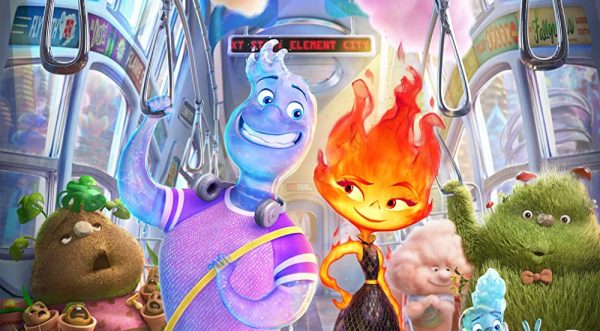
Elemental enjoyed one of the most surprising comeback stories in recent box-office history. Following a disappointing opening weekend, many prematurely labelled it another Pixar disappointment after the struggles of Lightyear. Instead, strong word of mouth steadily transformed the film into a global success, eventually earning almost $500 million worldwide. That gradual rise suggests audiences connected with Ember and Wade far more deeply than its opening numbers initially indicated.
Fortunately, the ending leaves plenty of room for another chapter. Ember and Wade begin a new life together as Ember pursues her dream of becoming an accomplished glass artist beyond Fire Town. A sequel could naturally expand the colourful world established in the original, introducing new cities, cultures and communities that showcase the four classical elements in fresh ways. Earth and air residents, in particular, still feel largely unexplored.
There is also plenty of emotional territory left to cover. Director Peter Sohn drew heavily on his own family’s immigrant experiences when crafting the first film, using romance to explore cultural identity, discrimination and generational expectations. Those themes remain just as relevant today. Whether it follows Ember and Wade as they navigate marriage, raise a family, or balance different cultural traditions, Elemental has the rare advantage of combining limitless world-building opportunities with grounded, relatable human experiences. That’s exactly the kind of foundation a worthwhile Pixar sequel should have.
2. Brave

Although Brave divided opinion upon release, it has quietly developed a far stronger reputation over the years. Much of that appreciation stems from Merida herself, who remains one of Disney’s most refreshingly independent heroines. Rather than searching for romance or waiting to be rescued, she drives her own story through courage, stubbornness and a genuine desire to determine her own future. In many ways, she paved the way for later protagonists such as Moana and Raya, whose adventures similarly placed self-discovery above traditional fairy-tale conventions.
That alone makes Merida a worthy candidate for another adventure. Unlike many Pixar protagonists, her story feels as though it has only just begun. The first film focuses primarily on repairing her fractured relationship with her mother, but it only scratches the surface of the rich mythology surrounding ancient Scotland. Mysterious standing stones, enchanted forests, mythical creatures and rival kingdoms all hint at a much larger world beyond the confines of DunBroch.
There are even elements that never made the finished film, including expanded backstory surrounding Mor’du and the kingdom’s ancient legends. A sequel could revisit those ideas while allowing Merida to mature into an even stronger leader. Rather than simply repeating the mother-daughter conflict, Pixar could embrace a sweeping fantasy adventure that finally realises the epic Scottish mythology the original only began to explore.
1. Inside Out
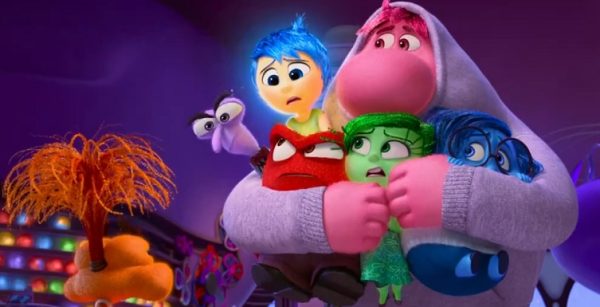
If any recent Pixar film feels destined to become an ongoing series, it is Inside Out. Both films brilliantly transformed universal emotional experiences into imaginative adventures, with each instalment reflecting a different stage of Riley’s life. The first explored the upheaval of childhood and moving home, while the second tackled adolescence and the arrival of more complicated emotions such as Anxiety. Growing up naturally brings new emotional challenges, making future sequels feel less like unnecessary extensions and more like the next chapters of an evolving story.
The possibilities are virtually endless. Riley could be leaving school and entering the world of work, navigating university, beginning a serious relationship or moving away from home for good. Each milestone introduces fresh emotional conflicts that audiences of different ages can immediately relate to. Later entries could even explore marriage, parenthood or the pressures of balancing career ambitions with family life.
Pixar could also continue expanding the imaginative rules of this universe. Seeing Riley’s emotions interact with those inside her partner, friends or even her own child would provide endless opportunities for humour while reinforcing the series’ heartfelt message about understanding ourselves and others. Few franchises have such a flexible premise. As long as Riley continues growing, Joy and the rest of Headquarters will always have another meaningful story to tell.
Now for the five Pixar movies that should be left exactly as they are….
5. Lightyear
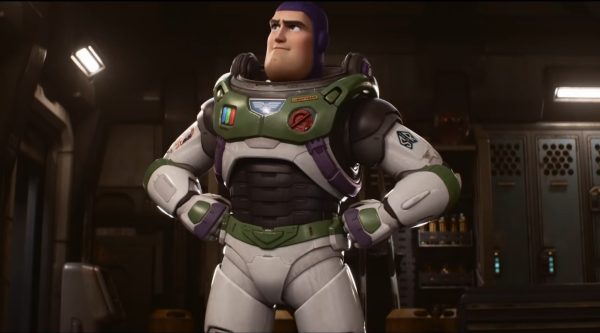
Unlike the other entries on this list, Lightyear lands here less because of its story and more because of the circumstances surrounding it. On paper, Buzz Lightyear is a character with limitless sequel potential. His status as a Space Ranger naturally lends itself to countless adventures across the galaxy, while Toy Story established him as a legendary hero whose exploits inspired endless stories. Lightyear was marketed as the in-universe blockbuster that Andy watched before wanting a Buzz Lightyear toy, seemingly opening the door for an entire franchise of cinematic adventures. It even concluded with Buzz (voiced by Chris Evans) assembling his new team of Rangers before a Marvel-style post-credit scene revealed that Zurg had survived, clearly teasing another chapter.
Unfortunately, the film never found its audience. As Pixar’s first theatrical release following the pandemic, Lightyear became one of the studio’s biggest financial disappointments, reportedly losing Disney well over $100 million. More damaging than its box-office performance, however, was the widespread confusion about its place within the Toy Story universe. Many viewers struggled to reconcile how this grounded science-fiction adventure was supposedly the same film that inspired Andy’s childhood obsession. Without that emotional connection, the film failed to justify its existence, let alone a continuation. While Buzz will undoubtedly return in future Toy Story projects, Lightyear itself feels like a fascinating experiment best left as a one-off.
4. WALL-E
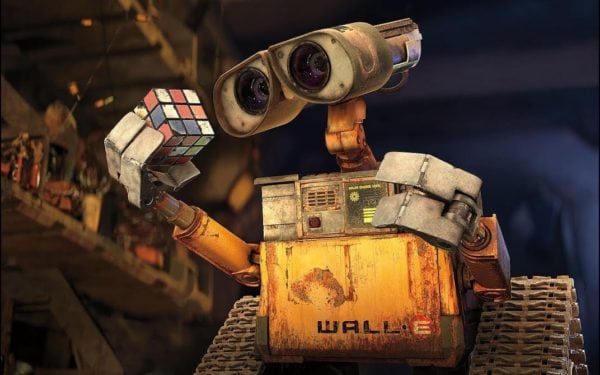
WALL-E remains one of Pixar’s most ambitious and artistically daring achievements. A family film that spends much of its opening act with almost no dialogue, it trusted visual storytelling, expressive animation and environmental themes to carry the narrative. The result is not only one of the studio’s finest films, but one that feels remarkably complete. Because of that, it is also one of the Pixar movies least in need of a sequel.
By the film’s conclusion, WALL-E and EVE have found each other, humanity has finally returned to Earth, and the long process of restoring the planet has begun. Every major emotional thread reaches a satisfying resolution, while the ending deliberately leaves audiences optimistic about the future without spelling out every detail. That sense of hope is precisely what makes the finale so effective.
A sequel would inevitably struggle to justify its own existence. Revisiting another lonely adventure would simply repeat the first act, while shifting the focus to rebuilding civilisation would transform the intimate romance into something entirely different. More importantly, it would risk diluting the elegant simplicity that made the original so special. Not every great film needs its world expanded, and WALL-E proves that sometimes less is more. It stands comfortably as a singular achievement within Pixar’s catalogue, and its legacy is stronger because it tells one complete story instead of chasing another.
3. Ratatouille
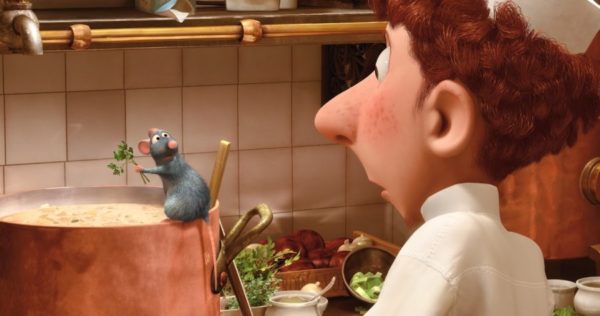
Brad Bird has previously admitted he has little interest in making Ratatouille 2, and it’s difficult to argue with that stance. The original film concludes exactly where it should, with all the central characters overcoming their central conflicts: their talents recognised. Although Anton Ego’s glowing review cannot save Gusteau’s from closure, Remy, Linguini and Colette emerge happier than ever by opening the intimate bistro La Ratatouille. Their success is no longer measured by Michelin stars or public recognition, but by creating wonderful food together on their own terms.
Of course, a sequel could easily be written. Audiences could follow Remy as he continues pushing culinary boundaries while hiding the truth about the restaurant’s tiny head chef. New rival chefs, fresh critics or changing food trends could all provide conflict, and Pixar would undoubtedly find another heartfelt message to accompany it.
The problem is that none of those ideas feel necessary. Ratatouille is ultimately a story about identity, passion and overcoming prejudice. Remy proves that “anyone can cook,” Linguini discovers where he belongs, Colette finally finds an equal, and Ego rediscovers his love for food. Every central character completes a satisfying emotional journey. Continuing their story would risk creating conflict simply because a sequel demands it, rather than because the original leaves meaningful questions unanswered. Sometimes the perfect final course is knowing when to stop cooking, and Ratatouille already leaves audiences completely satisfied.
2. Soul
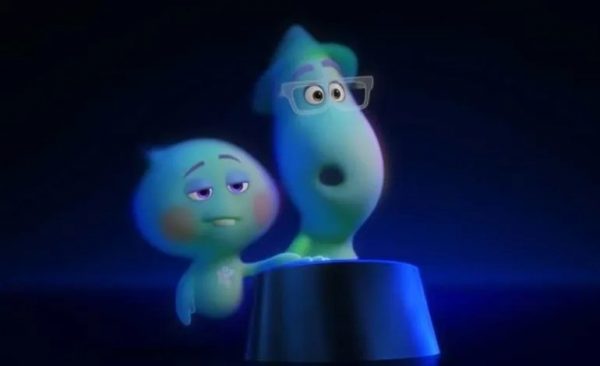
Few Pixar films feel as self-contained as Soul. Pete Docter’s thoughtful fantasy tells the story of Joe Gardner, a struggling musician whose life is cut short just as he finally lands the opportunity he has always dreamed of. Through his unlikely partnership with the unborn soul known as 22, Joe comes to realise that life’s greatest joys are often found in its smallest moments rather than a single defining achievement. At the same time, 22 discovers the beauty and uncertainty of living, choosing to begin her own journey on Earth.
On paper, there is certainly room for another chapter. A sequel could follow Joe embracing his second chance at life while eventually crossing paths with 22 as she navigates the challenges of being human. Pixar could undoubtedly craft another heartfelt adventure around that premise.
The issue is that such a story would risk repeating the original’s emotional arc. Joe has already learned to appreciate life beyond his ambitions, while 22’s future is intentionally left open to interpretation. That ambiguity is part of what makes Soul resonate so deeply. Rather than showing every step of their futures, the film trusts audiences to imagine them. In an era where every successful property is expected to become a franchise, Soul stands as a welcome reminder that some stories are most powerful when they end exactly where they should.
1. Up

Out of all Pixar’s beloved originals, Up is perhaps the film that most clearly declares its story finished. Pete Docter’s emotional adventure follows Carl Fredricksen, a widower who ties thousands of balloons to his house and flies to South America in a desperate attempt to fulfil the dream he never shared with his late wife, Ellie. The house itself becomes a symbol of Carl’s grief, repeatedly referring to it as ‘Ellie’, representing the life he cannot bring himself to leave behind. Yet through his unlikely friendships with Russell, Dug and Kevin, Carl discovers that the greatest adventures are often the unexpected ones, and that moving forward does not mean forgetting the past.
The emotional payoff arrives in one of Pixar’s most unforgettable scenes. Carl discovers that Ellie’s childhood adventure book is already full; not of exotic expeditions, but of photographs celebrating the ordinary life they built together. Her final message, “Thanks for the adventure – now go have a new one,” finally permits Carl to let go. By the film’s climax, he willingly sacrifices his treasured house, dismissing it as “just a house,” proving he has finally freed himself from the burden of regret.
That ending feels impossible to improve upon. Combined with the passing of Carl’s voice actor, Ed Asner, whose performance defined the character, revisiting Up would only diminish the emotional closure that made it one of Pixar’s greatest achievements. Like Carl, we should accept that some adventures deserve to remain exactly as they are.
SEE ALSO: Pixar Doesn’t Have an Originality Problem, It Has a Universality Problem
What Pixar movies would you like to see sequels for, and what should be left alone? Let us know on our social channels @FlickeringMyth…
Joseph Jenkinson