Casey Chong with a selection of great werewolf movies beyond The Howling and An American Werewolf in London…
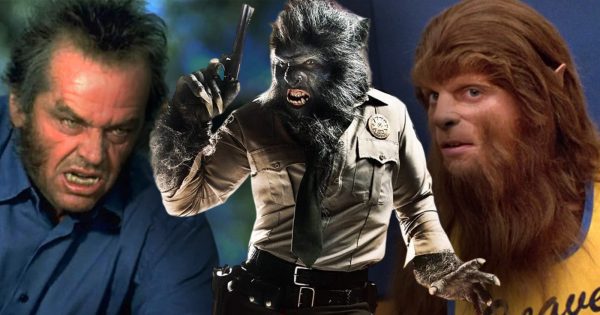
The 1941 black-and-white horror classic The Wolf Man pioneered the werewolf genre, introducing us to a tragic, cursed man-beast character, played by Lon Chaney Jr., and the then-groundbreaking transformation scenes by special effects guru Jack Pierce. Then came the 1981 renaissance of the genre with special makeup artists Rob Bottin and Rick Baker revolutionizing the realistic-looking werewolf transformations. That year, The Howling and An American Werewolf in London were the main courses, and still prevail as among the best of their kind even today. Beyond these classics, here are the ten more great werewolf movies worth checking out…
Wolfen (1981)
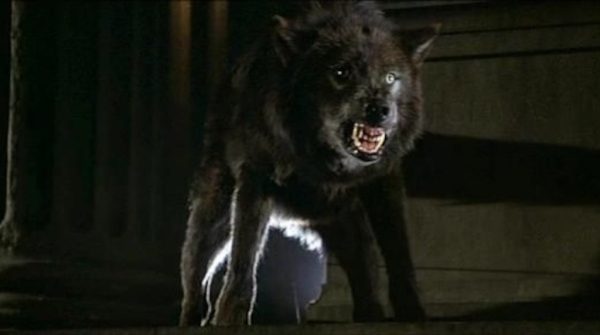
While The Howling is notable for Joe Dante’s subversive take on the werewolf genre and An American Werewolf in London has John Landis embracing the jarring tonal shifts between dark comedy and violent horror, Wolfen feels like it’s sitting ducks. The latter also happens to release in the same year as the two more popular werewolf entries, but turns out to be less talked about. Directed by Michael Wadleigh in his only narrative feature film, Wolfen blends a brooding mix of police procedural with gritty werewolf horror, detailing an ex-NYPD captain (a grizzled Albert Finney) assigned to investigate a series of unusually brutal murders with her criminal psychologist partner, Rebecca (Diane Venora).
Wadleigh, who also co-wrote the screenplay adapted from Whitley Strieber’s 1978 debut novel The Wolfen, favors a deliberate slow-burn with a few grisly scenes in between. The movie is particularly notable for its arguably first-of-its-kind thermographic cinematography that showcases the wolves’ unique point of view. These creatures aren’t traditional werewolves since they belong to a highly evolved, intelligent species deeply rooted in Native American lore that kills its human prey systematically rather than randomly like bloodthirsty beasts. Wolfen came and went with little fanfare during its lukewarm theatrical release, only to subsequently find second life through VHS rentals and high-definition physical media re-releases.
The Company of Wolves (1984)
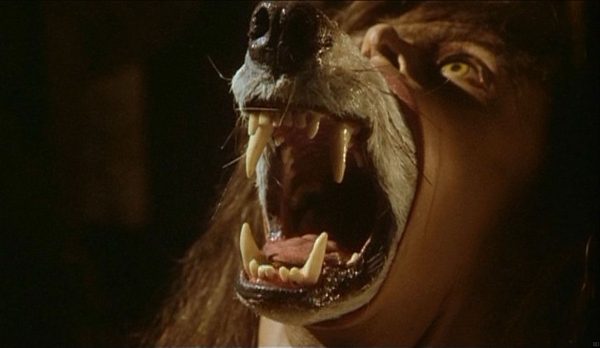
Based on one of Angela Carter’s short stories published under The Bloody Chamber, director and co-writer Neil Jordan delves into the surrealistic yet darkly gothic dream-within-a-dream fantasy horror, highlighting the young Rosaleen’s (Sarah Patterson) coming-of-age angle. The underlying werewolf story serves as a metaphor for primal human instincts, loss of innocence, and sexual awakenings. Jordan also eschews traditional three-act narrative coherence in favor of a dream logic that wants you to indulge in Rosaleen’s puberty-stricken mind rather than making complete sense out of everything.
It helps that The Company of Wolves’ fairytale-like approach is a sight to behold, showcasing Jordan’s keen eye for mesmerizingly stylized visuals, atmospheric cinematography, and eclectic color palettes. The movie made its mark with the practical werewolf effects, alternating between the visceral (the huntsman’s inside-out transformation) and the outright weirdness (the bizarre aristocratic wedding-party scene turning nearly everyone into wolves, with their lavish clothes and wigs remaining intact).
Silver Bullet (1985)
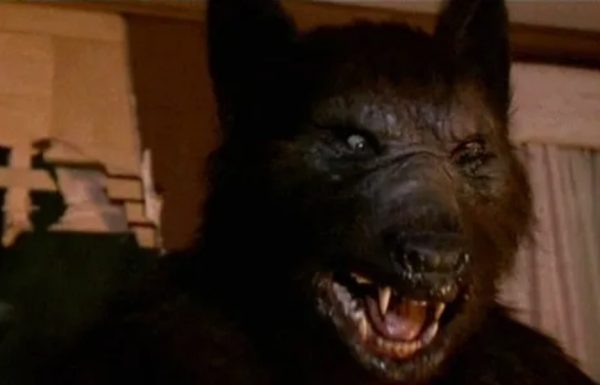
If you are watching Silver Bullet for the first time, you might be wondering whether Dan Attias, who directed Stephen King’s adapted screenplay from the author’s own 1983 novella, is trying to mock the werewolf premise. Besides, the title in question refers to the paraplegic Marty’s (Corey Haim, who serves as the unlikely protagonist) souped-up motorized wheelchair, thanks to his cool Uncle Red (Gary Busey, playing the good guy here). And imagine the kid using his silver-bullet wheelchair to take down the werewolf that’s been terrorizing the sleepy Maine town.
Actually, the titular wheelchair does come in handy, just not in the absurd way imaginable, but rather for the chase sequences later in the movie. Silver Bullet has a knowingly B-movie vibe all over it, mixing a coming-of-age story with a murder-mystery angle and a cheesy bear-like werewolf transformation. Clocking in at just 95 minutes, Attias keeps his movie moving at a brisk pace with plenty of gore and body count. Here’s the trivia that comes across as unintentional irony: Busey and Everett McGill, where the latter co-stars as the town’s reverend, would later play separate antagonists in the Under Siege duology.
Teen Wolf (1985)
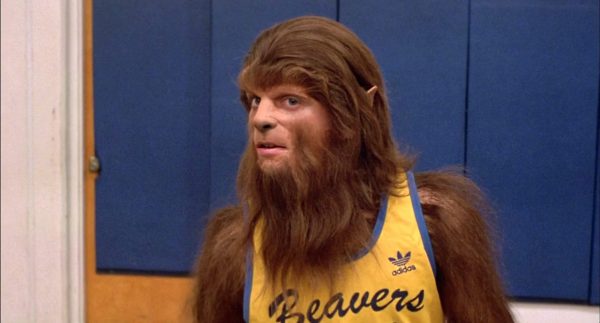
1985 was a banner year for Michael J. Fox, thanks largely to the huge success of Back to the Future. Then, there’s Teen Wolf, a werewolf movie that isn’t what you would normally expect from this genre. Instead, Rod Daniel and screenwriters Jeph Loeb and Matthew Weisman flip the script by stripping it of the usual horror in favor of a feel-good coming-of-age comedy, even going as far as incorporating lycanthropy elements as a metaphor for puberty, teen angst, and self-acceptance.
Michael J. Fox’s likable performance is the heart and soul of Teen Wolf, highlighting his arc from a high school nobody to a cool teenager embracing his werewolf DNA both literally and figuratively. The movie was a big hit back then, grossing a respectable $80 million on its $4 million budget. It also paved the way for a franchise, ranging from the inferior sequel (1987’s Teen Wolf Too, starring then-younger Jason Bateman in his big-screen debut) to the successful six-season television series between 2011 and 2017.
Wolf (1994)
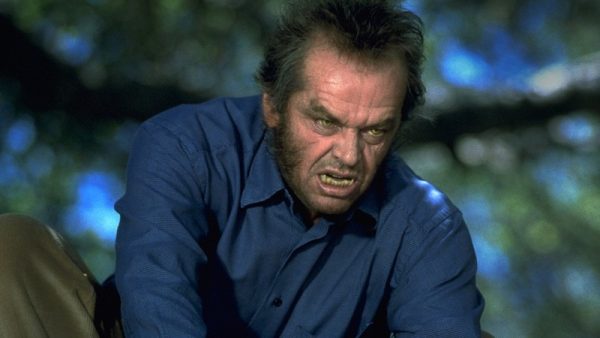
Generic title aside, when you have someone like Mike Nichols directing a werewolf genre, it’s not going to be a straightforward, all-out gory horror. Instead, Wolf is like a literal and figurative beast in disguise, with the lycanthropy tropes serving as a thematic canvas for Nichols to explore multiple angles. Here, the movie centers on the world-weary Will Randall (Jack Nicholson, marking his fourth collaboration with the director after Carnal Knowledge, The Fortune, and Heartburn), a longtime editor-in-chief of a New York publishing firm getting demoted after his younger protégé, Stewart (James Spader), takes over his position instead. The demotion may have been insulting, but Will gains an unlikely advantage as a result of a wolf bite, causing him to see better without a pair of glasses and even feel more energetic than ever.
Shame about Columbia Pictures’ misleading marketing campaign for pushing Wolf as a mix of horror and steamy romance between Nicholson and Michelle Pfeiffer, who plays the publishing firm tycoon’s (Christopher Plummer) willful daughter Laura. In reality, the horror is rather secondary, while Nicholson and Pfeiffer’s on-screen chemistry isn’t the kind of erotically charged tension one would expect back then. Still, Nichols’s subversive direction on flipping the werewolf genre inside out remains a fascinatingly satirical look at midlife crisis, aging, and survival of the fittest in the corporate jungle. Nicholson’s distinct facial appearance, from his devilishly sharp grin to the arched eyebrows, makes him a perfect fit to play the role with a wolf-like characteristic without even needing heavy prosthetics.
Bad Moon (1996)
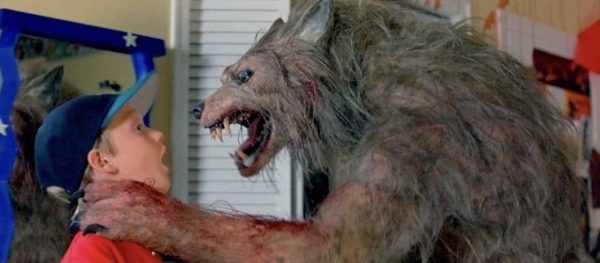
It’s dog vs. werewolf in Bad Moon, referring to Primo the German Shepherd playing the brave family dog defending its owner, Janet (Mariel Hemingway), and her young son, Brett (Mason Gamble). The werewolf in question turns out to be Janet’s photojournalist brother, Ted (Michael Paré), whose recent Nepal expedition ends with a wolf bite and the death of his girlfriend. Based on Wayne Smith’s 1992 novel Thor, writer-director Eric Red – best known for his writing credits in The Hitcher, Near Dark, and Blue Steel – subverts the werewolf genre by making Thor the dog the unlikely central protagonist of the movie instead of Janet or Brett.
Credit also goes to Primo’s exceptional acting, capturing the dog’s nuanced facial expressions throughout the movie. Red keeps his movie tight at a stripped-down 79 minutes, with none of the expository-heavy moments, other than zeroing in more on the family dynamic and the psychological battle against the werewolf. He doesn’t shy away from graphic gore and violence. Spotty CGI aside, the werewolf transformation remains a practical moviemaking magic of special effects artist Steve Johnson’s custom-made bodysuit and prosthetics with mechanical heads.
Ginger Snaps (2000)

Ginger Snaps trades the usual male-centric perspective commonly seen in the werewolf genre with a refreshingly feminist spin, focusing on the titular character’s (Katharine Isabelle) coming-of-age transformation after being bitten by a beast. This leads to her volatile mood swings and animalistic sexual urges, a result that’s increasingly jeopardizing her once-close sibling relationship with the meek Brigitte (Emily Perkins).
Their conflicted on-screen dynamic is what gives Ginger Snaps an added emotional weight. The movie equally deserves praise for its matter-of-fact gore and violence, eschewing flashy style in favor of practical effects emphasizing the visceral body horror of Ginger’s physical changes. Ginger Snaps went on to spawn two more follow-ups, including Ginger Snaps 2: Unleashed and Ginger Snaps Back: The Beginning.
Dog Soldiers (2002)
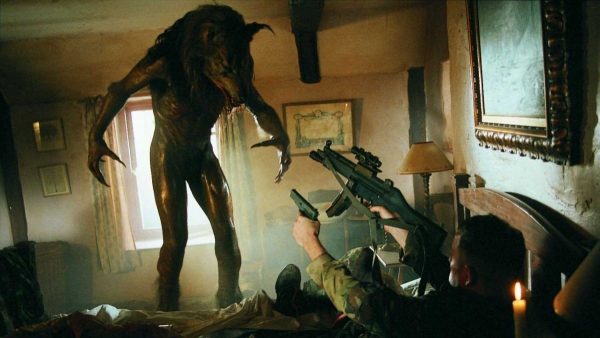
There was a time when Neil Marshall used to make great genre films. One of them was his directorial debut, Dog Soldiers, which centers on a team of British soldiers in the remote Scottish Highlands. What started as a training exercise soon turns into a violent cat-and-mouse nightmare after they become the target of werewolves. Interestingly, these vicious creatures aren’t the usual four-legged beasts but rather lanky yet imposing types, like a human-wolf hybrid.
No doubt the werewolf designs are some of the best ever seen in the genre, while Marshall knows well how to ratchet up the tension with enough propulsive action sequences and uncompromising gore. The second half sees Marshall taking a cue from John Carpenter’s 1976 cult-classic Assault on Precinct 13, replacing the derelict police station with a farmhouse as the surviving soldiers find themselves being surrounded by the werewolves. The pacing is near relentless, showcasing Marshall’s assured direction throughout its lean 104-minute runtime.
WolfCop (2014)
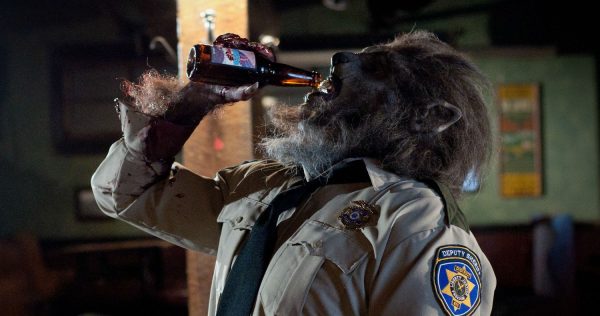
The title says it all. It’s an action-horror where the protagonist – Leo Fafard’s Lou Garou – is a small-time cop in the sleepy town of Woodhaven who turns into a werewolf. A werewolf that still carries a gun and wears the police uniform as usual. Sounds like a tough man-beast hybrid, but writer-director Lowell Dean isn’t interested in giving us a typical, testosterone-driven hero archetype. Lou turns out to be a lazy cop, preferring to spend time drinking and avoiding work as much as he can.
Even after Lou becomes a werewolf, his flaws only increase twofold; he doesn’t care about chugging alcohol and even tends to go all wild if anyone tries to give him trouble. For an indie movie, WolfCop offers plenty of over-the-top gore that is amazingly practical, as Dean and his special effects team embrace the old-school method even with an estimated tiny budget of 1 million Canadian dollars. Beyond the werewolf action-horror elements aside, Dean also leans heavily on the absurd B-movie style of campy humor. WolfCop’s subsequent cult status paved the way for Dean to return for a sequel titled Another WolfCop three years later.
Werewolves Within (2021)
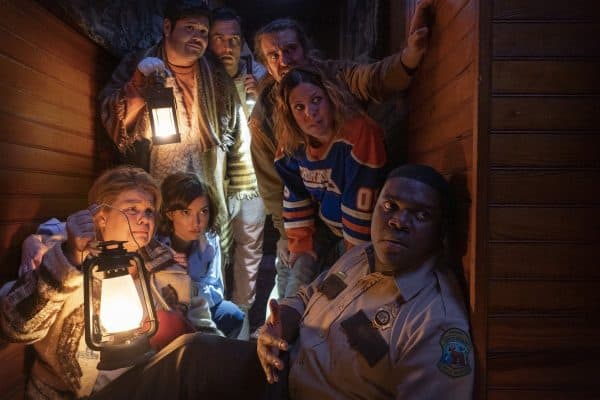
Josh Ruben takes Ubisoft’s 2016 social-deduction VR game of the same name and switches its original medieval fantasy setting into a present-day environment. The small town of Beaverfield, to be exact, where a group of residents finds themselves stuck in a lodge following a snowstorm. Then comes the body count after a hidden werewolf begins to terrorize the community.
True to the title, Werewolves Within embraces the Clue-like whodunit angle that these residents might be the beast in disguise. Is it Sam Parker (Wayne Duvall), the financially motivated gas company representative, who has the locals divided over his proposal to build a pipeline? Or could it be the nice-girl mail carrier Cecily Moore (Milana Vayntrub)? Or even the people-pleaser, newly assigned forest ranger Finn Wheeler (Sam Richardson)? Werewolves Within benefits from a game cast with distinct personalities, witty humor, and tension-filled claustrophobia in its snowed-in location, which pays homage to Stanley Kubrick’s The Shining.
What are your favourite werewolf movies? Let us know on our social channels @FlickeringMyth…
Casey Chong