Robert Kojder chats with I Play Rocky star Anthony Ippolito…
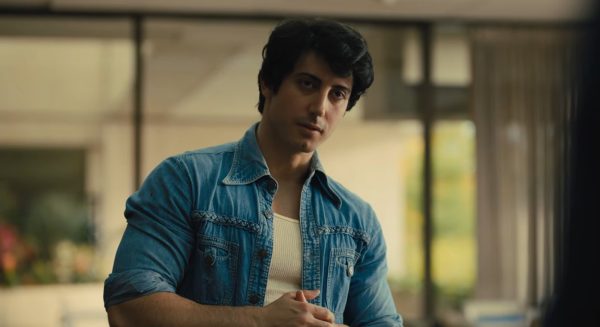
It’s fitting that I Play Rocky star Anthony Ippolito is a relative unknown (no offense to the Purple Hearts fans out there, a Netflix original movie that garnered some attention from the romance crowd). The film, from director Peter Farrelly and another unknown, screenwriter Peter Gamble, follows the underdog story of making 1976’s Rocky, which Sylvester Stallone infamously rejected screenplay purchases for unless the studio heads took a chance on letting him also star in the work that was personal to him.
As such, an engaging meta ripple effect unfolds as Anthony Ippolito becomes a star before our eyes, essentially going through some of the same hurdles Sylvester Stallone did (such as never having boxed before, among other things). The trick is that the filmmakers never play the story as overly corny or schmaltzy, sticking to the absurdity without sacrificing the human drama of the personal angle. However, the real key to the film’s success is that Anthony Ippolito impressively transforms physically into, and sounds practically like, Sylvester Stallone, ensuring the emotional and humorous beats land. It’s a terrific performance that should unquestionably earn him more major work in the future.
I was lucky enough to receive the opportunity to speak to Anthony Ippolito (and Peter Farrelly) virtually, and it was indeed a treat talking to him about becoming both Sylvester Stallone and Rocky, that this is more than an underdog story but also one about overcoming disability, and one of the weightier moments of the screenplay. He was a joy to talk to, and I hope you enjoy the interview below:
It’s nice to meet you. I love the movie.
Oh, thank you so much. Pleasure to meet you.
When Sylvester talks about the complicated pregnancy, how he got this lisp, and how one side of his face doesn’t move, it dawned on me that this is also a movie about overcoming a disability, woven into the fabric of this underdog story. That really struck a chord with me, and I’m wondering if you saw the film that way when you were making it.
I 100% did. What he was able to endure through that and overcome… he entered a line of work where people are looking at your face and your voice and assessing you kind of based on those things. And he encountered a lot of judgment, and it made it harder for him. I just think it speaks to the incredible achievement that he was able to overcome all this.
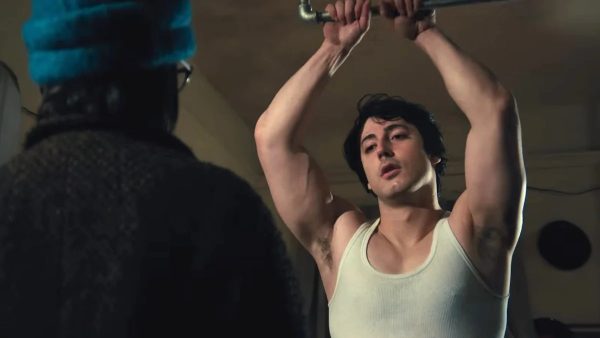
As we see here, Rocky had Sylvester pushing his physical limits and doing things he had never done before, like boxing and skating. So can you talk about how this film demanded physically from you, or anything you haven’t done before?
Yeah, it demanded a ton. I had to gain a bunch of weight to get closer to his silhouette, which a lot of people know from the character in the first movie, and I had to learn how to hit a speed bag. I didn’t know how to do that. I had to figure out how to box and just tons of different things. It was tough, but with time and if you’re patient with yourself, things start to come together.
Can you talk about delivering that line, “I play Rocky” for the first time? Is that a moment where it sinks in that you are playing this iconic character?
Oh, wow. Yeah, it speaks to how brilliantly Peter Gamble wrote the script. It’s just such a big moment in that sense because that’s the beginning of the battle between Stallone and the studio. And it’s really incredible to imagine how these sorts of moments might have played out.
Sylvester Stallone has such an iconic voice, so I have to ask what kind of vocal training or preparation you went through to get it down right, because you really nailed it.
Thank you so much for saying that. I appreciate that. First and foremost, I listened to him a lot, and he hadn’t done many huge things up to that point, but there was footage of him out there. He was in Lords of Flatbush; he was in Prisoner of Second Avenue; he was in an episode of Kojak. He did some interviews when Rocky was coming out. So there’s tons of stuff to just listen to obsessively and, over time, start to understand it a little bit better, assess it, and understand it as a byproduct of the facial paralysis in some ways, his vocal cords, and the slur that he had, and sort of understanding it from a very human perspective as opposed to the iconic thing that he kind of became.

Speaking of Sylvester Stallone’s other movies, is there anything else that you watched that helped you prepare for the role?
Yeah, he did a bunch of smaller parts. He was actually in something called Police Story, where his character’s nickname was Rocky, and that was before the original movie was made. It’s kind of strange in that way. And he did this other movie called No Place to Hide, and another alternative title was Rebel. He did that a little bit before Rocky as well, and not too many people saw it, I don’t think, but I was able to kind of unearth a bunch of footage from that period of time.
Thank you so much for your time, it was wonderful to talk to you.
Thank you, and I appreciate you taking the time.
SEE ALSO: Exclusive Interview – 30% of the World Has a Disability: Director Peter Farrelly on I Play Rocky
Robert Kojder